
If you’re reading this document, searching for answers which addiction treatment could help you or your loved ones struggles with addiction, I want you to know something first: this decision you’re going to take isn’t like choosing between brands of cereal. It’s one of the most important things in your life. It’s scary. And there’s no perfect answer.
The opioid crisis has pushed families to research options they never imagined considering. Traditional rehab. Medication-assisted treatment. And increasingly, ibogaine—a psychedelic compound that’s generating both hope and controversy.

This guide won’t tell you which addiction treatment (Ibogaine treatment vs traditional treatment) is “better” , instead it can help you to make the most important decision of your life. I’ll walk you through what each approach actually does, who it might work for, and what questions you should ask before committing your family’s resources and hope to any rehabilitation program. Both approaches have helped people reclaim their lives. The right choice depends on the specific condition of the patients.
Lets dive deeper on it….
How Each Treatment Changes the Brain Neural System
Let me tell you the hard truth, Most treatment centers won’t explain it clearly. Addiction can change your brain neurotransmitter. It changes the dopamine reward system—that makes food, relationships, and accomplishments feel good—gets changed by substances. Over time, our brain stops producing normal amounts of feel-good chemicals on its own. Because it gradually starts to think the drug is everything where real peace lies and this is where each treatment works differently.
What Traditional Treatment Does In Your Brain
Traditional Treatment or Medication-assisted treatment (MAT) uses drugs like methadone or buprenorphine that occupy the same opioid receptors as heroin or painkillers. You can think of it like this: the receptors are locks, and these medications are keys that fit but don’t fully turn.
They prevent withdrawal and reduce cravings without producing the same high.
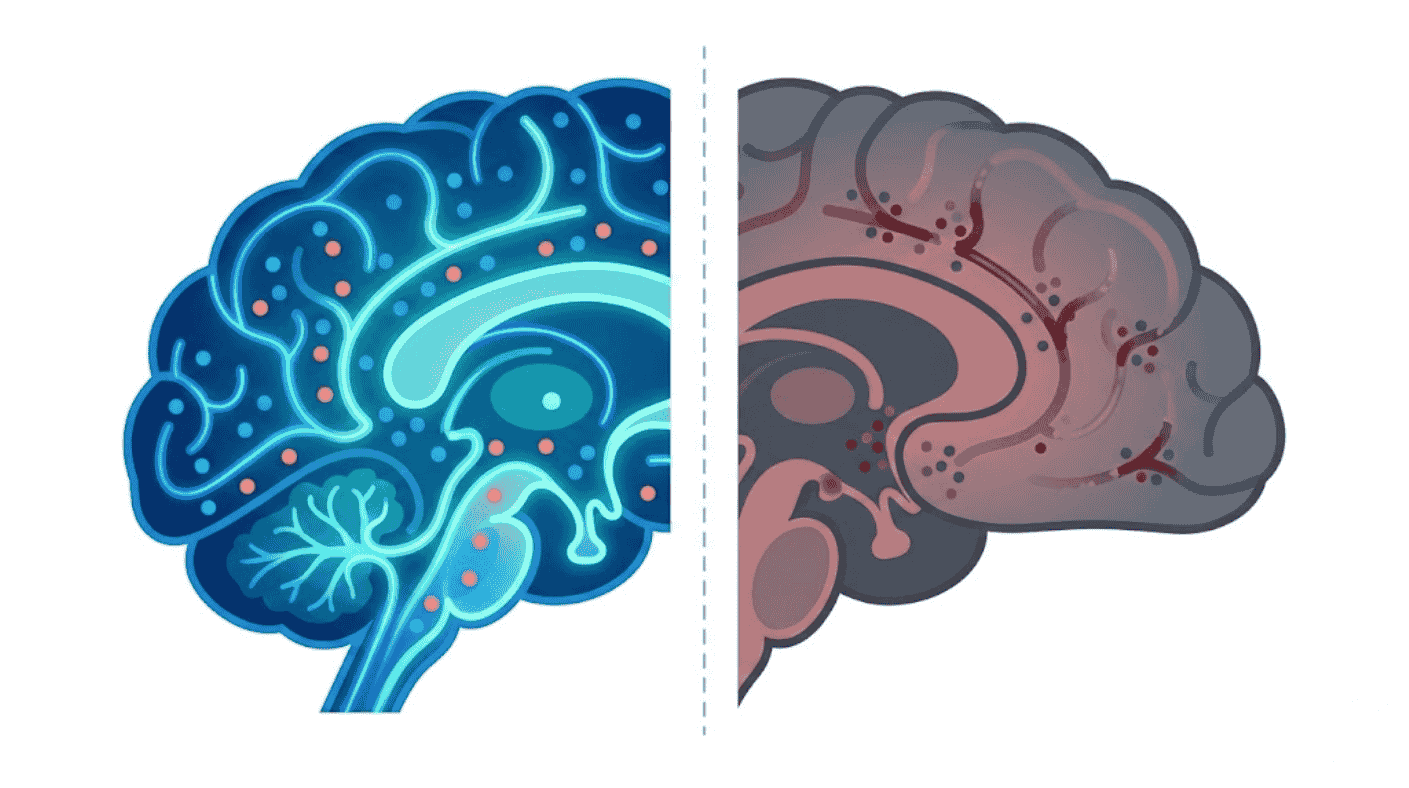
With this our brain gradually rewires over months or years. Some people taper off MAT eventually. Others stay on it indefinitely. What matters is that it keeps people alive and functional while the deeper work of recovery happens.
What Ibogaine Does In Your Brain
Ibogaine takes a different approach entirely. Rather than occupying one receptor type, it interacts with multiple neurotransmitter systems simultaneously such as NMDA receptors, serotonin, dopamine, and opioid receptors. Researchers often describe it as attempting to “reset” these systems in a single session.
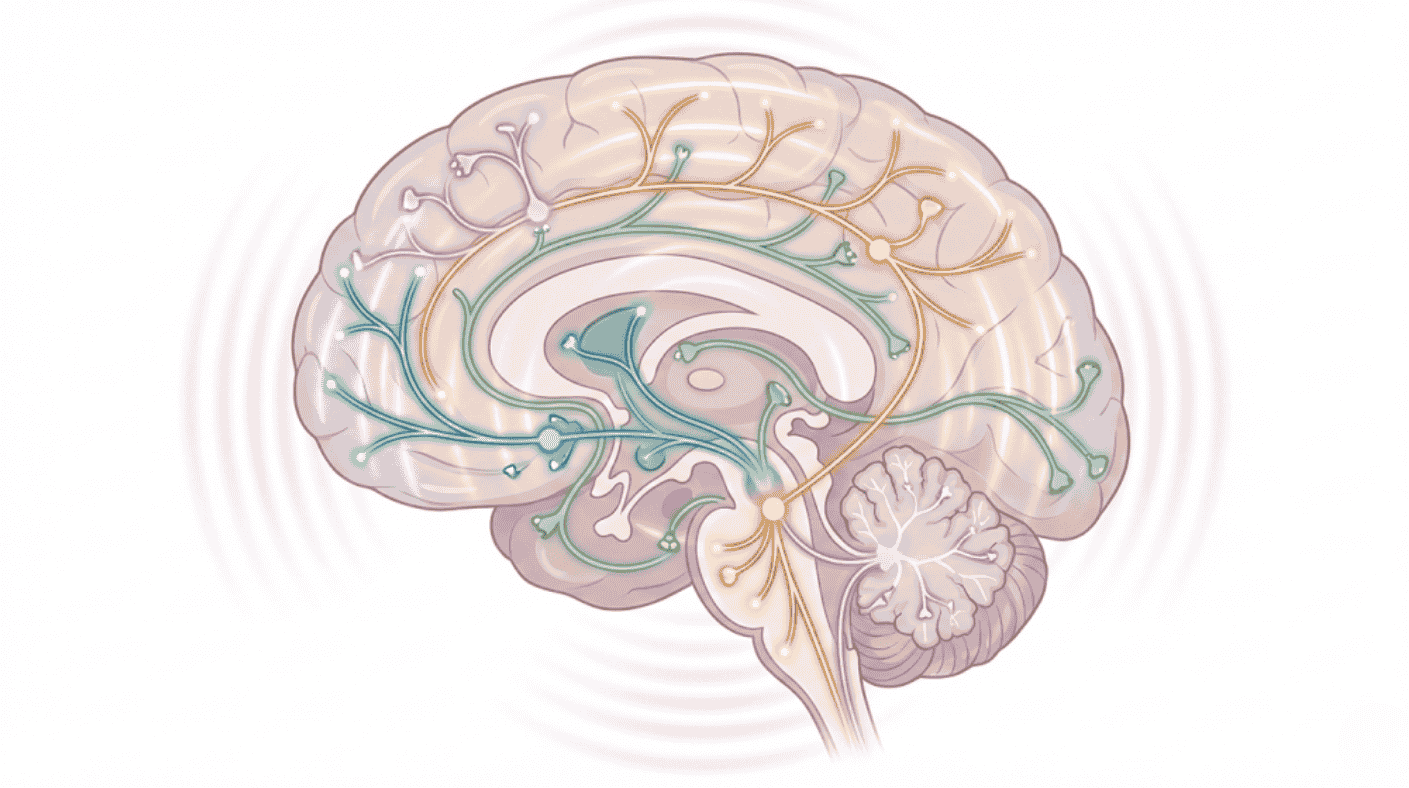
Ibogaine treatment also includes a powerful psychedelic experience that lasts 24-36 hours, during which many people report processing trauma and gaining insights about their addiction. After ibogaine is metabolized, a compound called noribogaine remains in the system for weeks, continuing to affect mood and cravings.
If you want to learn more about how Ibogaine changes brain neurological system then read this guide on “How Ibogaine works in the Brain”
Now you might be thinking wow, let’s go with Ibogaine treatment then. No, that’s not how everything works.
Both treatments require the person to genuinely want recovery. Ibogaine can interrupt physical dependence, but it doesn’t automatically give someone new coping skills, heal damaged relationships, or fix the underlying pain that drove the addiction.
Success Rates Based on Each Treatment Nobody Wants to Talk About
Let’s address something most treatment centers avoid: “success rate” is a slippery term. Does success mean no use for 30 days? A year? A lifetime? Does reduced use count, or only complete abstinence? The answers can vary according to the condition of the patients.
Let me explain it in an easy to understand way.
Traditional Treatment Success Rates
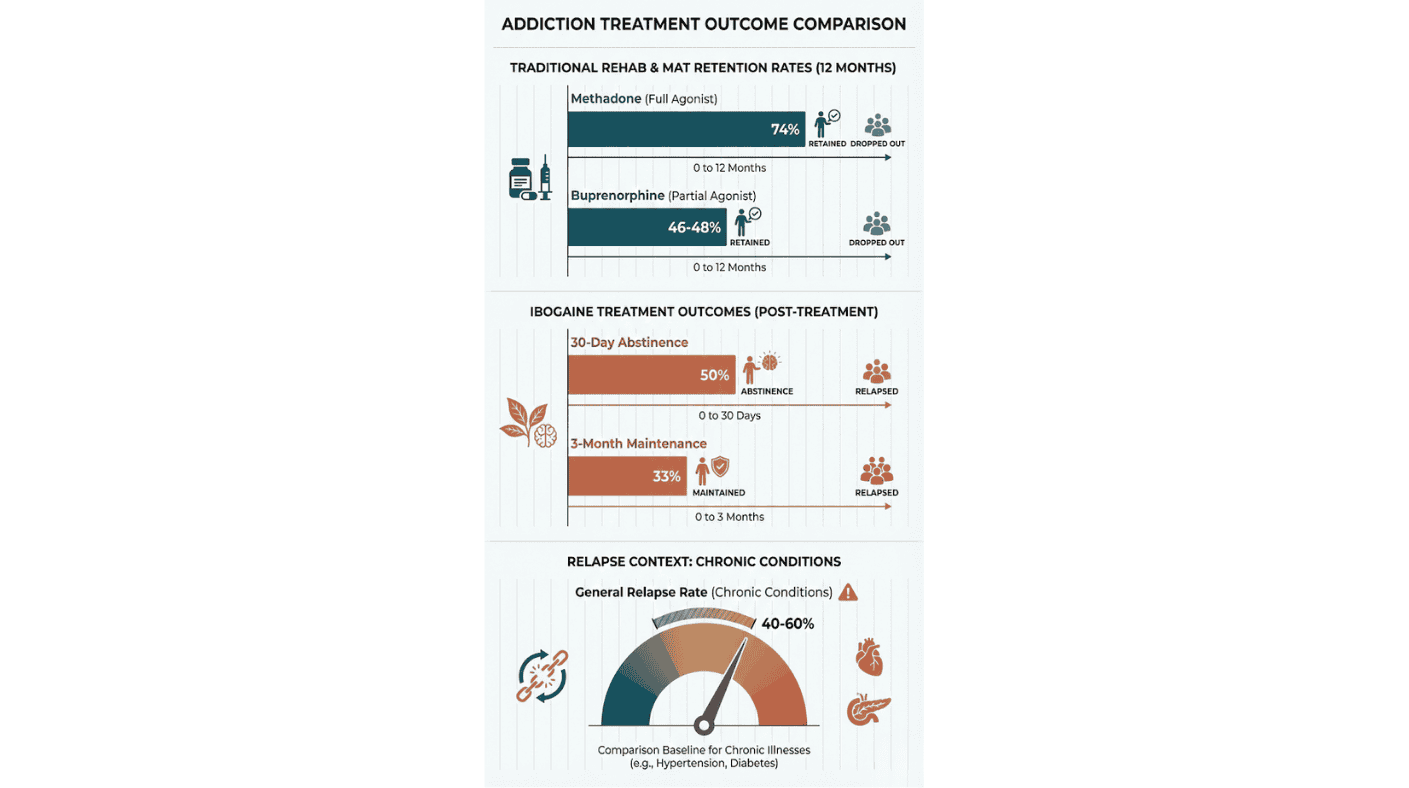
According to NIDA, relapse rates for substance use disorders run between 40-60% similar to relapse rates for diabetes or hypertension. This comparison matters. We don’t call diabetes treatment a “failure” when someone needs medication adjustments.
Methadone maintenance shows retention rates of 74% at 24 weeks in clinical trials when doses reach 60mg or higher daily. Buprenorphine retention runs lower, around 46-48%, though some patients do better with its partial-agonist approach. These numbers mean staying on medication which some view as success, others as ongoing dependence. Now let’s talk about ibogaine
Ibogaine Treatment Success rates
The research on ibogaine is more limited but growing faster. Brown and colleagues found that 50% of participants reported no opioid use at 30 days post-treatment, dropping to 33% at 3 months.
Davis’s observational study showed 30% of participants reporting never using opioids again, with over half of those maintaining abstinence for at least a year.
Most importantly, even among those who relapsed, 47-48% reported decreased use from pre-treatment levels.
For someone who was using daily, even partial success can mean the difference between life and death.
Comparing across studies is nearly impossible because populations differ, definitions differ, and measurement periods differ.
What these numbers should tell you: both approaches help some people, neither approach helps everyone, and realistic expectations matter more than anything.
Risks Involved in Each Treatment You Must Know
Most treatment centres try to hide the risk factors. That’s a big problem for families trying to make informed decisions about their loved ones. Let me be direct about what can go wrong with each approach.
Traditional Treatment Risks
The biggest danger with traditional treatment is overdose after relapse.
When someone stops using opioids through rehab, detox, or MAT their tolerance level drops rapidly. If they relapse and use their old dose, their body can no longer handle it. This is when fatal overdoses happen.
MAT medications carry their own side effects such as constipation, drowsiness, hormonal changes, and yes, physical dependence on the medication itself. Withdrawal from methadone or buprenorphine requires medical supervision. It can be prolonged and uncomfortable.
Ibogaine Treatment Risks
Ibogaine’s one of the serious risks is cardiac. The compound affects heart rhythm by prolonging what’s called the QT interval.
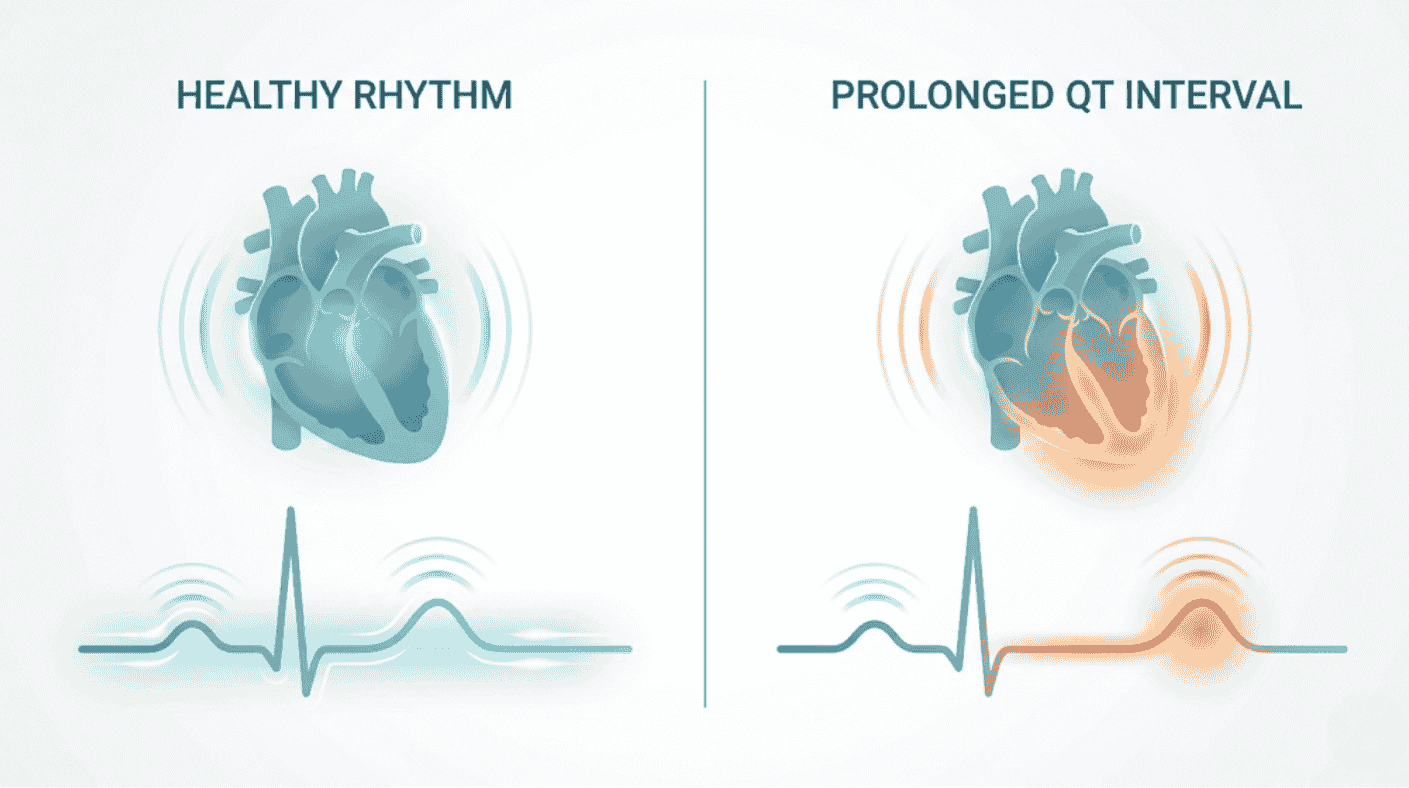
It is basically the electrical cycle of the heartbeat. In susceptible individuals, this can trigger a potentially fatal arrhythmia called torsades de pointes.
A Published case reports have documented fatalities linked to ibogaine, primarily when cardiac screening was inadequate or monitoring was absent. One study reviewing cases from 1990-2008 documented 19 deaths. More recent cases continue to emerge, often involving unregulated providers or self-administration.
This is exactly why proper screening and monitoring aren’t optional; it is mandatory. They’re the elements that separates responsible treatment centres from others.
Who Should NOT Consider Ibogaine
I know this is hard to read when you’ve made your decisions on ibogaine as the answer. But some people genuinely cannot safely receive this treatment, and knowing that upfront can save your family from a dangerous situation or a heartbreaking outcome.
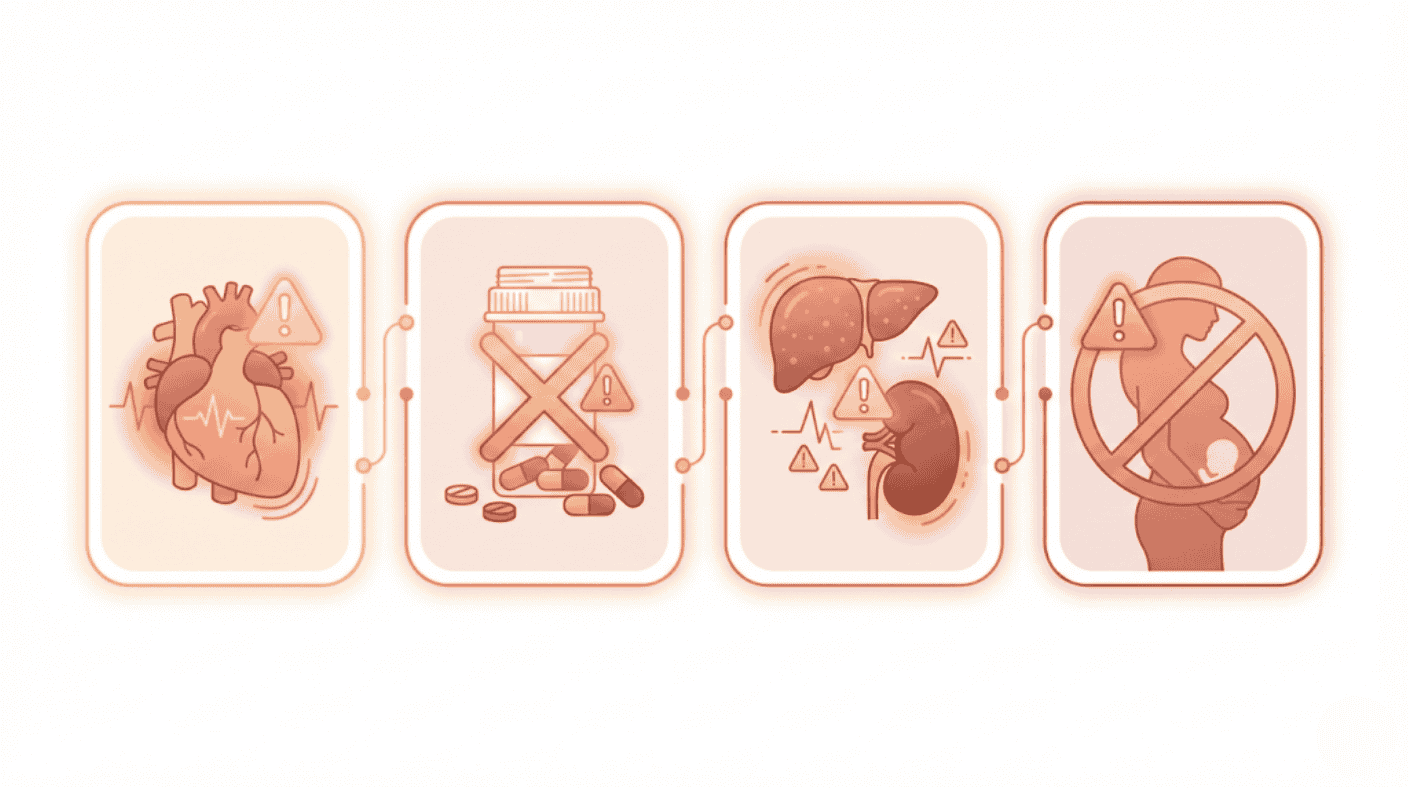
Heart conditions are the biggest concern we have been seeing with many patients. If your loved one has long QT syndrome, a history of arrhythmias, or any structural heart problems, ibogaine is likely the treatment you should avoid. It’s based on documented cases where cardiac complications proved very serious.
Medications matter more than you’d think. Yes, you read it right.
Many common prescriptions affect the same heart rhythm that ibogaine does. We’re talking about cACertain antidepressants (SSRIs, tricyclics), some antibiotics (fluoroquinolones like Cipro), antipsychotics, and even some anti-nausea medications. Your loved one may need to stop taking these drugs weeks before treatment. An experienced ibogaine treatment center should review every prescription and supplement before allowing someone eligible for the treatment.
One more important consideration would be to address is Liver and kidney issues. You should know, Ibogaine is metabolized through the liver and its active metabolite, noribogaine, stays in the neural system for days. If these organs fail to work properly, the drug can accumulate to dangerous levels. So, it’s a must check before taking the treatment.
Another important one could be Pregnancy. It is an absolute contraindication.
There’s no circumstance where ibogaine should be given to a pregnant person. The risks to fetal development are unknown but potentially severe.
Something that might actually reassure you: a reputable ibogaine treatment center will turn away 20-30% of applicants after first medical screening. That might feel frustrating if your loved one is declined, but it’s actually a sign you’re dealing with a responsible provider. Any facility that accepts everyone who applies regardless of their cardiac history or medication list is prioritizing revenue over patient safety. That should worry you far more than being told “no.”
If your loved one has any of these conditions, it doesn’t mean all hope is lost. It means ibogaine isn’t suitable for them; instead, traditional treatment could be very good options, including MAT, which may be safer and still effective.
What Proper Cardiac Screening Looks Like
Before ibogaine treatment, you should expect: baseline EKG with specific QTc limits (typically under 450ms for men, 470ms for women), echocardiogram to check for structural issues, blood work checking electrolytes (potassium, magnesium, calcium) and liver function, medication washout periods for anything affecting heart rhythm.
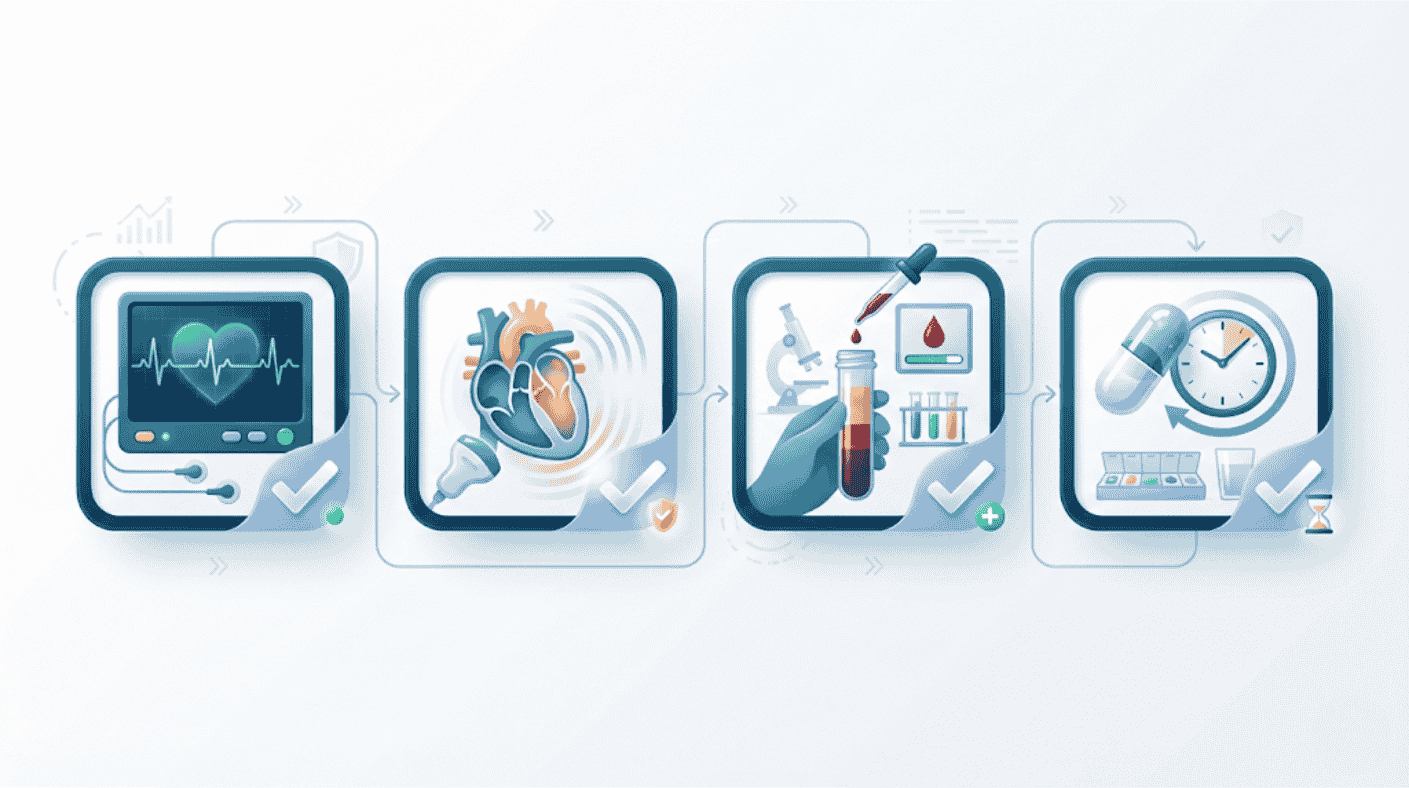
During treatment, continuous cardiac monitoring should be standard. If you’re comparing centers and one costs significantly less than others, ask yourself: what are they not doing? “Cheaper” often means “less safe.”
Cost Comparison Between Traditional and Ibogaine Treatment
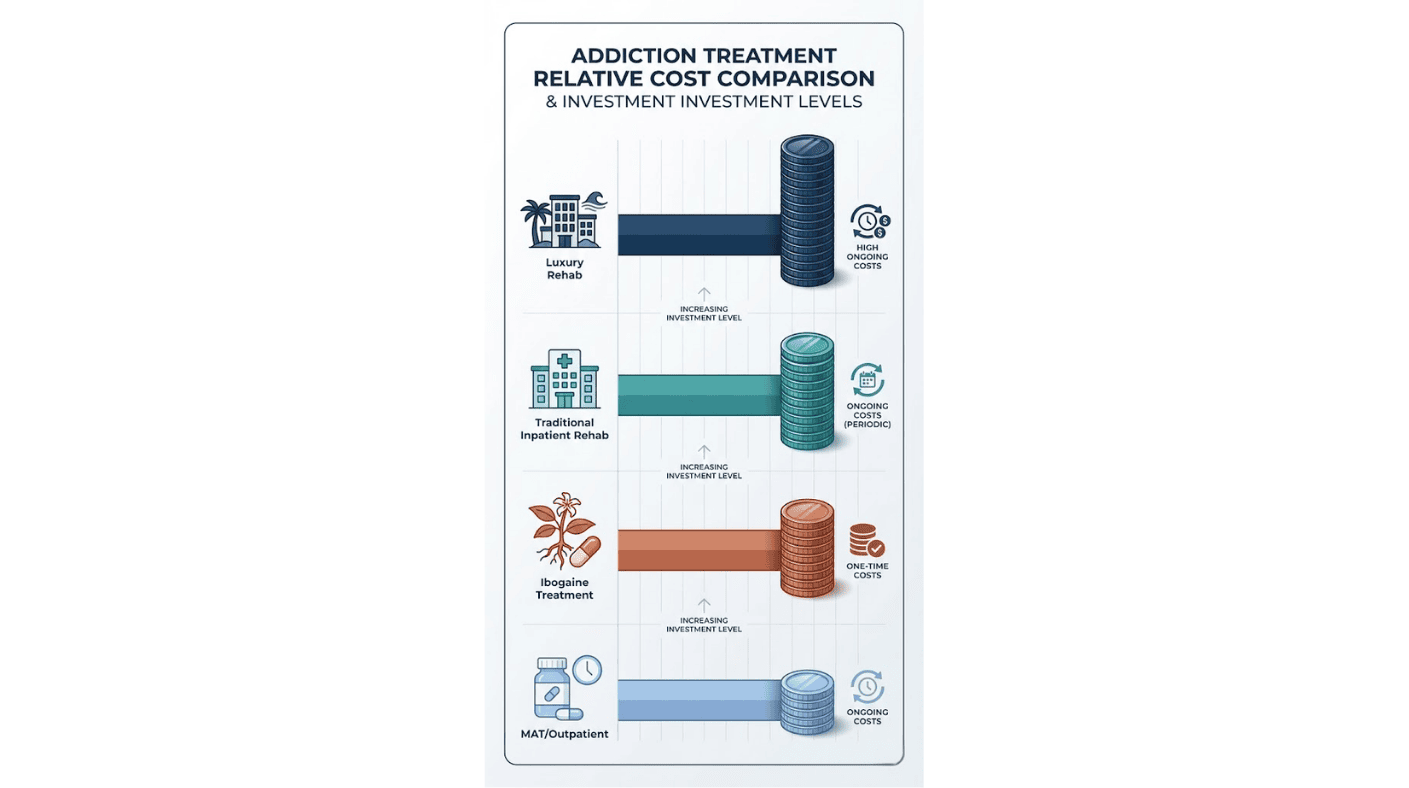
Treatment costs vary dramatically, also sometimes price doesn’t tell the whole story. Anyways, let’s break down the cost between them.
|
Treatment Type |
Initial Cost |
Ongoing Costs |
|
Ibogaine Treatment |
$10,000-$15,000+ (7-10 days) |
Travel costs, aftercare therapy |
|
Traditional Inpatient Rehab |
$25,000-$50,000 (30 days) |
Step-down care, sober living |
|
Luxury Rehab |
$50,000-$80,000+ (30-90 days) |
Extended programs, aftercare |
|
MAT (Outpatient) |
Minimal initial cost |
$500-$1500/month ongoing |
But how to actually think about cost?
The average person with opioid addiction goes through multiple treatment attempts. If traditional rehab costs $20,000 and requires three stays, you’ve spent $60,000. If ibogaine costs $12,000 and works the first time for your loved one, it means it’s cheaper—and vice versa.
There’s also the cost of relapse itself: medical bills, legal issues, lost employment, family therapy. When you’re trying to save someone’s life, “value” means something different than it does for other purchases.
What Recovery Actually Looks Like based on Timelines
Ibogaine treatment itself typically lasts 5-10 days at a facility.
But the real work like integration therapy, building new habits, repairing relationships—extends months afterward. Without proper aftercare, ibogaine’s benefits often fade.
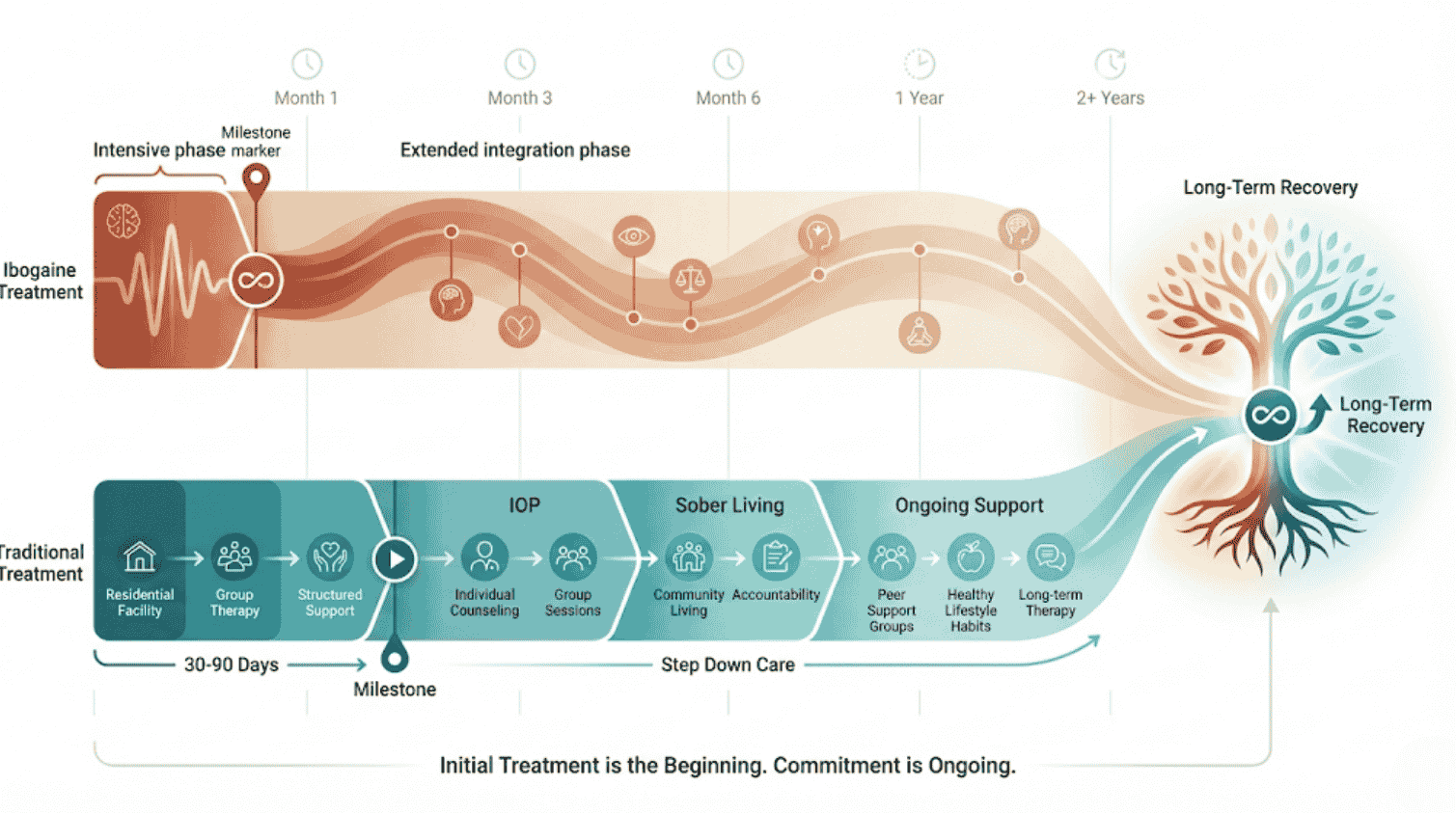
Traditional inpatient programs run 30-90 days, followed by step-down care: intensive outpatient programs, sober living arrangements, 12-step meetings. The structure continues for months or years.
Regardless of approach, the initial treatment is the beginning, not the ending. Anyone who suggests otherwise is trying to sell you something.
Questions to Ask Any Addiction Recovery Treatment Center (Including Ours Avante Ibogaine Institutes)
We care about you, at Avante Ibogaine Institute our main concern is to ensure our patient safety firstly.
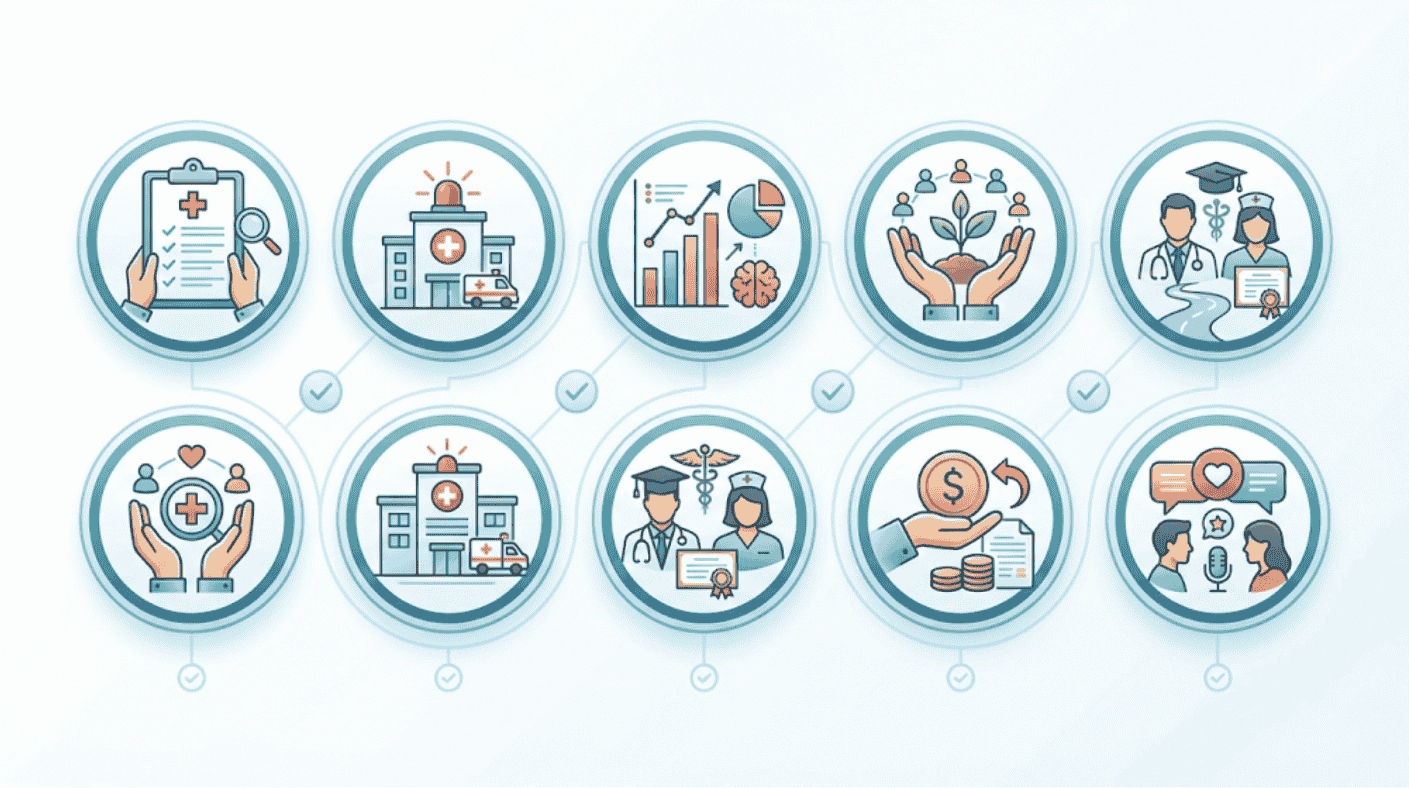
Below I have mentioned some questions about what to ask before committing to any program:
1.What is your medical screening protocol?
For ibogaine specifically: What cardiac tests do you require? What baseline QTc measurement disqualifies someone?
2.What happens during a medical emergency?
Is there ICU-level monitoring available? How far is the nearest hospital? What emergency protocols are in place?
3.What are your actual outcome statistics?
Ask for data, not claims. How do you define success? At what intervals do you follow up?
4.What does aftercare look like, and is it included?
Integration therapy? Ongoing support? Referrals to local resources?
5.Who will be monitoring during treatment, and what are their credentials? Licensed physicians? Nursing staff? What’s the staff-to-patient ratio?
6.What is your refund policy if my loved one is deemed ineligible after screening?
7.Can I speak with former patients or families?
Any center that resists these questions or provides vague answers deserves your skepticism.
How To Make The Right Decision For You
Consider ibogaine if:
Multiple traditional treatments have failed, the person is highly motivated, they’ve been medically cleared with no cardiac contraindications, aftercare support is in place, and your family can manage the logistics of international travel (ibogaine is not legal in the US).
Consider traditional treatment if: This is a first-time attempt at treatment, there are significant cardiac or psychiatric conditions that contraindicate ibogaine, the person needs a structured long-term environment, or insurance coverage is a major factor.
Consider MAT if: There have been previous severe relapses, the person needs to maintain work or family obligations during treatment, or they prefer a gradual approach over acute intervention.
There’s no shame in any choice. The goal is recovery not proving something about which method is superior.
Final Thoughts
This decision is hard, and there’s no perfect answer to be honest. Both ibogaine and traditional approaches have helped people reclaim their lives from addiction. Both have limitations. Both require commitment beyond the initial treatment.
The right choice depends on the individual, their history, their health, their support system, and their readiness. Recovery is possible. That’s the point of all of this.
If you have questions about whether ibogaine might be appropriate for your situation, we’re happy to discuss it honestly. Avante Ibogaine Institute has been successfully providing Ibogaine treatment to their beloved patients over the last 12 years in the beautiful Caribbean island in the Bahamas. Call to discuss your loved one’s specific situation. Our experts would be happy to help you out.