
Substance use disorders affect millions globally, yet conventional treatment approaches have remained unchanged for over 50 years and continue to achieve limited long-term success rates.
Emerging research has demonstrated that ibogaine—a psychoactive compound derived from the Tabernanthe iboga shrub—has the capacity to interrupt addiction patterns through distinct neurobiological mechanisms.
With over 12 years of clinical ibogaine treatment experience and an extensive clinical track record, the team of ibogaine specialists at the Avante Ibogaine Institute has extensive data supporting the transformative potential of professionally administered ibogaine therapy and a comprehensive list of exceptional treatment outcomes.
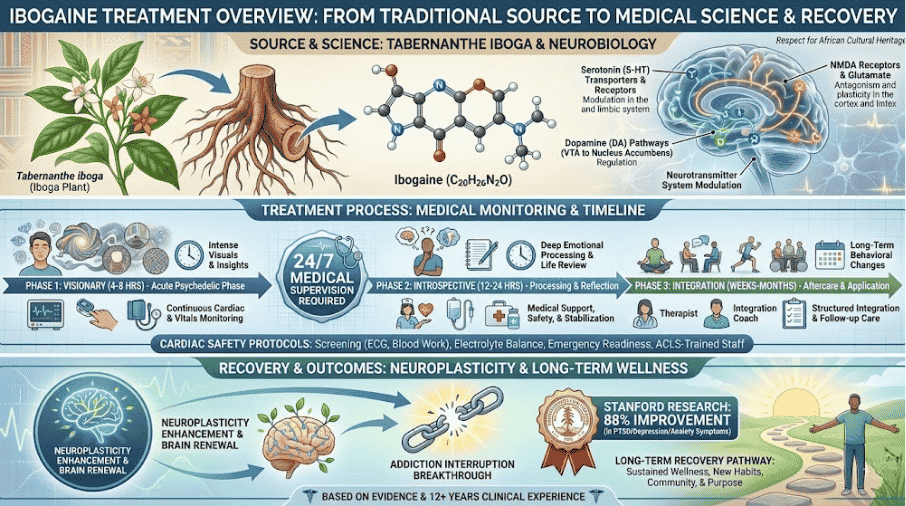
This complete guide to ibogaine treatment examines the current state of ibogaine therapy for substance use disorders, the safety protocols, clinical outcomes, and regulatory considerations for patients, families, and medical professionals evaluating this potentially life-changing treatment option.
Let’s dive in…..
What is Ibogaine? Understanding the Fundamentals The Science Behind Ibogaine
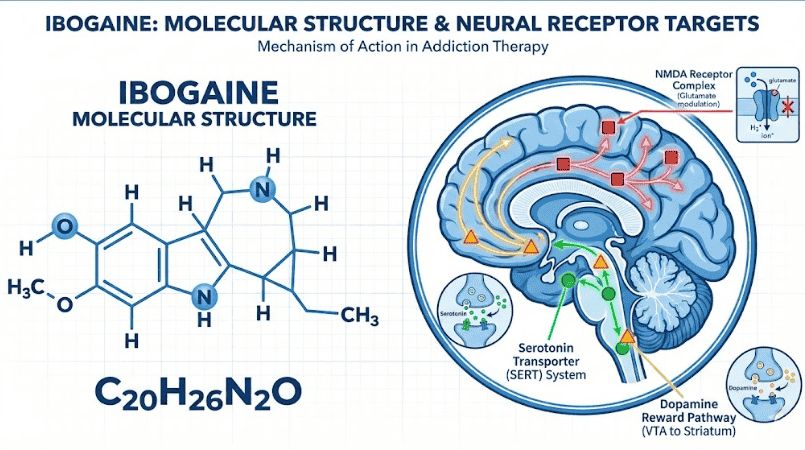
Ibogaine is a naturally occurring indole alkaloid extracted from the root bark of Tabernanthe iboga, an African shrub endemic to Gabon, Cameroon, and Equatorial Guinea. The compound’s molecular structure consists of specific pharmacological properties that distinguish it from classical psychedelics such as psilocybin or LSD.
The compound ibogaine exhibits a biphasic elimination profile, with a plasma half-life of approximately 7 hours, while its primary active metabolite, noribogaine, persists in the system for several weeks or months. This extended presence of noribogaine may contribute to the sustained therapeutic effects reported by patients and through clinical observations.
Recent observational studies demonstrate that ibogaine administration can result in significant reductions in addiction severity scores over a 12-month follow-up period. The compound’s unique pharmacological profile involves simultaneous interactions with multiple neurotransmitter systems, including N-methyl-D-aspartate (NMDA) receptors, serotonin transporters, dopamine pathways, and the kappa-opioid receptors.
The biosynthesis pathways of ibogaine involve complex enzymatic processes within the Tabernanthe iboga plant, where the alkaloid serves as a natural defense compound. Chemical structure analysis reveals that ibogaine’s molecular configuration allows for specific receptor binding affinities that differ substantially from all other psychoactive substances.
Traditional Use vs. Modern Applications
In traditional use, the Bwiti tribe in Central Africa has utilized iboga root bark in religious ceremonies, rites of passage, and healing practices. These traditional applications involve well established cultural frameworks that have been practiced for centuries.
Over the last 50 years, modern medical applications have been slowly emerging following Howard Lots of accidental discovery of ibogaine in 1962, when he observed ibogaine’s capacity to eliminate heroin withdrawal symptoms without causing any form of physical dependence. Lots of subsequently spent the remainder of his life pursuing mainstream acceptance of ibogaine as an anti-addiction treatment compound, resulting in being awarded a United States patent for ibogaine’s use in treating addiction in 1985.
The transition from indigenous knowledge systems and traditional ceremonial use to clinical application for addiction treatment has presented complex ethical considerations while the high barriers of entry created by the pharmaceutical industry has delayed mainstream
acceptance. Meanwhile, professional ibogaine treatment providers such as the Avante Ibogaine Institute in Nassau, Bahamas, the Mission Within and Ambio Life Sciences in Tiajuana, Mexico, as well as holistic healers, and contemporary medical practitioners have continued establishing standardized ibogaine dosing protocols, rigorous safety monitoring policies, and integration with conventional addiction treatment approaches.
Current research has now started examining how traditional addiction treatment methods compare with pharmaceutical-grade ibogaine hydrochloride treatment in terms of efficacy, safety profiles, and long-term sustainability outcomes. Long-term clinical ibogaine practitioners such as the Avante Ibogaine Institute’s Nico Vara and Ambio Life Science’s Jonathan Dickinson continue to emphasize the importance of respecting the indigenous history and knowledge of the medicine while developing evidence-based treatment protocols that meet contemporary safety standards.
How Ibogaine Works for Addiction Recovery Influence Upon Neurotransmitter Systems and Brain Chemistry
Clinical research and data has demonstrated that ibogaine administration rapidly reduces opiate withdrawal scores and diminishes opioid craving while improving mood. The compound’s mechanism of action involves complex and simultaneous interactions with multiple neurotransmitter pathways. NMDA receptor antagonism represents a primary mechanism through which ibogaine exerts its therapeutic effects. This receptor system plays crucial roles in learning and memory formation, and addiction-related neuroplasticity. Ibogaine’s interaction with these NMDA receptors has been found to facilitate the restructuring of maladaptive neural pathways associated with learned behavioral patterns and substance dependence. In addition, serotonin transporter modulation contributes to ibogaine’s antidepressant-like effects, which clinical observations have shown can persist for weeks and/or months following Treatment resulting in sustained mood improvements reported by patients at the Avante Ibogaine Institute in follow-up studies.
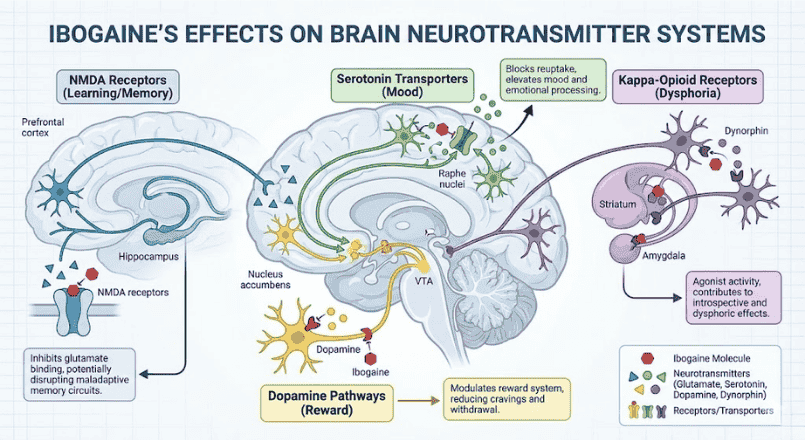
Unlike conventional addiction medications that target single receptor systems, ibogaine simultaneously addresses multiple aspects of addiction neurobiology. Brain imaging studies conducted by researchers at Stanford University in Palo Alto, California have suggested that these neurochemical changes correlate with measurable alterations in neural connectivity patterns.
“Addiction Interruption” Phenomenon
Clinical observations at the Avante Ibogaine Institute consistently report patients experiencing rapid reduction of both physical withdrawal symptoms following ibogaine administration. Patients frequently describe experiencing a mental “reset,” as if their brain and body are no longer actively in withdrawal. This physiological reset is often described as involving intensive introspective periods where patients report reviewing past life experiences, relationship patterns, and addiction-related behaviors through altered perspectives.
The psychological insights appear to compliment the neurobiological changes, potentially helping to facilitate behavioral modifications that help support long-term abstinence from drugs and alcohol. This phenomenon, termed “addiction interruption,” differentiates ibogaine from all other psychedelic compounds and conventional withdrawal management approaches.
Long-term craving reduction further represents a key therapeutic outcome of clinical ibogaine treatment, with some Avante patients reporting minimal to no substance cravings extending weeks beyond treatment. Research supports that ibogaine opens a critical period of neuroplasticity that may last upward of a month or longer following treatment. It is during this critical period that new behavioral patterns can be established with more insight and clarity than under normal circumstances.
Neural rewiring processes activated by ibogaine may enable the formation of new synaptic connections and diminish the strength of previously established addiction-related neural pathways. This neuroplasticity enhancement provides the biological foundation necessary to implement recovery-focused behaviors and thought patterns.
As we enter our 13th year of clinical ibogaine practice, the ibogaine specialist team at the Avante Ibogaine Institute has observed these neurobiological changes translating into lasting recovery for numerous patients who had lost all hope. Contact our team of clinical ibogaine specialists to discuss your specific situation.
Ibogaine Treatment Comparison to Traditional Addiction Treatment
Success Rate of Long-Term Sustainability
Success rate analysis indicates that conventional addiction treatment approaches achieve a range of variable outcomes, with consistently high relapse rates across all traditional modalities.
Medication-assisted treatment (MAT) methods utilizing pharmaceuticals such as
methadone, buprenorphine, and naloxone focus on eliminating active use by managing withdrawal symptoms and reducing craving through ongoing, long-term medication administration. These methods substitute one dependence for another and present the patient with new challenges, side-effects, and symptoms when used for extended periods. In contrast, ibogaine’s single-administration treatment approach serves as a safer and more effective facilitator of lasting abstinence from drugs and alcohol.
Timeline
Recovery timeline comparisons suggest that ibogaine treatment may accelerate the transition to stable abstinence, potentially reducing the extended treatment periods required under conventional approaches. However, supplemental aftercare support remains essential and is encouraged in order to maximize the therapeutic gains achieved through ibogaine treatment.
Cost Comparison
Cost-comparison evaluations must take into consideration the higher initial out-of-pocket cost of ibogaine treatment against the reduced but ongoing costs of long-term treatment plans such as MAT’s and insurance covered residential in-patient care. These economic implications may be a factor for those with limited resources.
Types of Addiction Ibogaine Can Treat Opioid Dependency and Withdrawal
Controlled clinical observations conducted by reputable data providers have demonstrated that ibogaine may significantly reduce opioid withdrawal symptoms in opioid dependent patients. Treatment outcomes appear consistent across various opioid substances, including heroin, fentanyl, pharmaceutical opioids, and synthetic compounds.
Heroin addiction treatment represents the most extensively documented application of ibogaine therapy. Multiple outlets report rapid elimination of withdrawal symptoms and sustained periods of abstinence following single administration ibogaine treatments. Ibogaine’s ability to address both physical dependence and psychological aspects of opioid dependence contributes to its unique therapeutic potential.
Pharmaceutical opioids such as morphine and oxycodone demonstrate comparable treatment responses, indicating that ibogaine’s mechanism addresses fundamental aspects of opioid addiction rather than substance-specific factors. Success rates appear to be influenced by individual patient factors rather than specific opioid type.
Fentanyl detoxification by ibogaine treatment presents unique and particular challenges due to the compounds severe potency, highly lipophilic nature, and pharmacokinetic properties, yet clinical observations support ibogaine maintains efficacy across a wide-range of opioids.
Stimulant and Cocaine Addiction
Cocaine dependency treatment through ibogaine continues to exhibit promising outcomes, although research remains less extensive than opioid applications. Clinical observations at the Avante Ibogaine Institute indicate that ibogaine treatment facilitates transition from cocaine dependence when utilizing specific advanced safety protocols to ensure that all traces of the stimulant has been fully evacuated from the patient prior to treatment.
Crack cocaine treatment outcomes appear similar to powder cocaine, suggesting that the administration method does not significantly influence ibogaine’s therapeutic effects. The compound’s ability to address both physical and psychological aspects of stimulant addiction contributes to its potential utility across different stimulant types.
Methamphetamine addiction presents similar complex treatment challenges due to the substance’s effects on dopaminergic pathways. Preliminary observations suggest ibogaine may help to restore normal dopamine function in methamphetamine users, though systematic studies remain limited. Stimulant withdrawal management differs substantially from opioid withdrawal, requiring adapted treatment protocols.
Alcohol Use Disorders and Other Substances
Alcohol dependency treatment represents an emerging application area for ibogaine therapy. Clinical observations suggest the compound may help reduce alcohol craving and facilitate sustained abstinence. The safety considerations for alcohol withdrawal immediately prior to or during ibogaine treatment require careful medical management.
Tobacco cessation applications also show potential, with some patients reporting reduced nicotine cravings following ibogaine treatment. The compound’s effects on acetylcholine receptors may contribute to these observations, though systematic studies are needed to further establish efficacy.
Polysubstance addiction scenarios present unique and complex treatment challenges. Ibogaine’s broad mechanism of action may prove beneficial at addressing the various addiction pathways simultaneously, potentially providing advantages over substance-specific treatments.
PTSD and Traumatic Brain Injury Applications
Stanford Medicine research has demonstrated that in veteran populations ibogaine treatment has shown reductions in PTSD symptoms by as much as 88%, depression by 87%, and anxiety by 81%. These outcomes represent significant advances in trauma-related disorder treatment. Veteran treatment outcome data provided by Dr. Martin Polanco at The Mission Within Veteran’s Ibogaine Treatment Center have shown particular promise, with formal cognitive testing revealing improvement in concentration, information processing, memory, and impulse control.
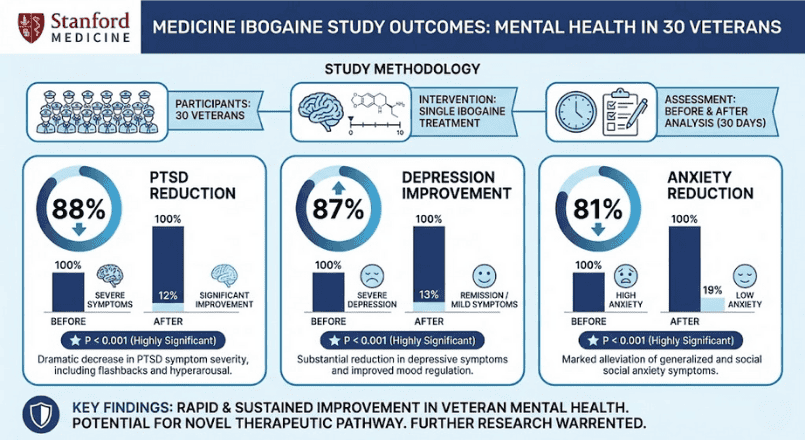
Importantly, no serious side effects or cardiac complications occurred when proper pre- treatment preparation, clinical safety measures, and medication dosing protocols were Implemented.
Traumatic brain injury symptom improvement extends beyond psychological measures to include measurable cognitive enhancements. The compound’s ability to promote neuroplasticity may facilitate recovery from TBI-related deficits through enhanced neural repair mechanisms.
Military and First Responder trauma treatment applications have garnered significant attention from researchers, policymakers, and documentary film producers. The unique neuroplasticity window opened by ibogaine may allow for more effective reprocessing of traumatic memories compared to conventional PTSD treatments.
The Avante Ibogaine Institute has successfully treated hundreds of veterans, first responders, and civilians struggling with trauma-related addiction. Our team of ibogaine treatment specialists provides personalized treatment plans to address each client’s unique treatment needs.
Call us to learn about our comprehensive approach to PTSD, TBI, and addiction recovery.
Ibogaine Treatment Process: What to Expect Pre-Treatment Medical Screening and Preparation
Comprehensive pre-treatment medical evaluations represent the foundation of safe ibogaine treatment. At the Avante Ibogaine Institute, physicians and clinicians conduct thorough assessments of all treatment candidates including cardiohealth screening, blood chemistry analysis, and psychiatric evaluation to identify any contraindications and assess overall health status.
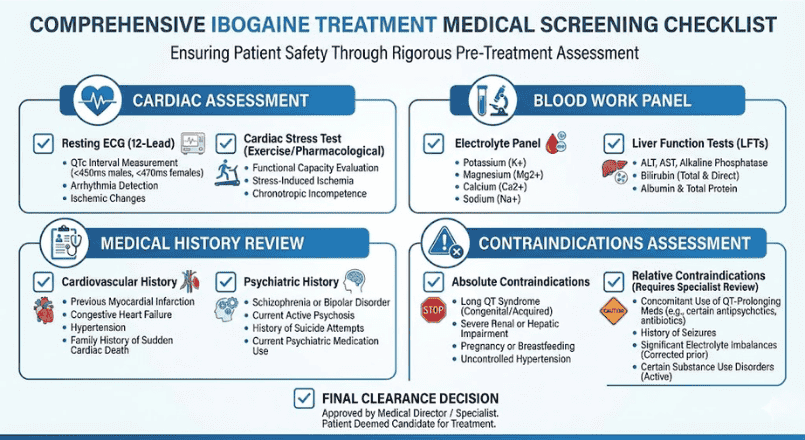
Cardiac clearance requirements include electrocardiogram analysis, stress testing when indicated, and evaluation of QT interval parameters. QT interval prolongation following ibogaine administration typically persists for more than 24 hours and may continue for up to a week in some patients. This necessitates careful screening for pre-existing cardiac conditions.
Medical history reviews are conducted to examine any previous cardiac events, arrhythmia history, medication use, and substance use patterns. Blood chemistry evaluation includes electrolyte and magnesium levels, liver and kidney function assessments, and complete blood count analysis. These assessments help identify patients who may experience increased risks during treatment.
Exclusions
The unique physiological characteristics of ibogaine require specific screening criteria not common among other psychedelic medicines. Contraindication assessments exclude patients with significant cardiac disease, past cardiac-related events, severe psychiatric conditions, pregnancy, and certain medication regimens.
Three-Phases of the Ibogaine Experience
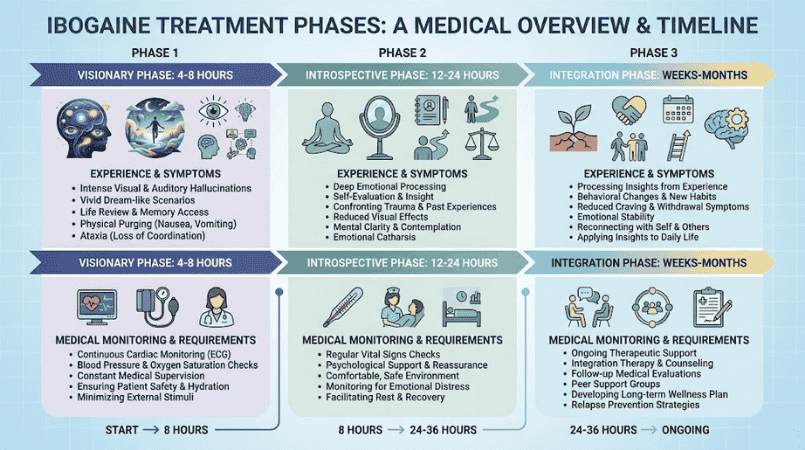
Acute Phase (Visionary Phase)
The acute phase typically occurs during the first 4-8 hours following administration, characterized by vivid dream-like imagery, emotional processing, and introspective experiences. Patients often describe this phase as watching a movie of their life, with clear recall of formative experiences and relationship patterns. Visual phenomena include complex geometrical patterns, autobiographical memory sequences, and symbolic representations of psychological themes. Auditory experiences may involve enhanced sensitivity to environmental sounds or internally generated music-like phenomena. These sensory alterations occur within a state of maintained consciousness and memory formation.
Evaluative Phase (Introspective Phase)
The evaluative phase follows the acute phase and may last 12-24 hours or longer. During this time, visual hallucinations diminish while deep psychological processing continues. Patients report enhanced emotional clarity, insight into behavioral patterns, and motivation for lifestyle changes. Physical effects throughout both of these phases include ataxia, tremor, nausea, and sensitivity to sensory stimuli. Patients typically prefer lying comfortably without significant movement due to these physiological effects. Sleep disruption commonly occurs, with many patients remaining awake for 24 hours or more.
The Residual Stimulation Phase (Integration Phase)
The residual stimulation phase or integration phase extends beyond the acute effects, characterized by continued psychological processing with a gradual return to baseline functioning. This period requires ongoing support and therapeutic intervention to maximize the therapeutic benefits achieved during the acute treatment period.
Medical Monitoring and Safety Protocols
Continuous cardiac monitoring involves 3-lead heart monitoring to track QTc prolongation, heart rate changes, and t-wave morphology alterations. Monitoring continues for 12-24 hours or until cardiac parameters normalize. Twenty-four hour medical supervision includes Advanced Cardiac Life Support (ACLS) trained personnel present throughout the acute treatment period. A second ACLS attendant remains closely available to respond to any emergency situation. Blood pressure, pulse, and oxygen saturation measurements occur at regular intervals. Intravenous access provides capability for rapid medication administration in case of medical emergencies. Anti-nausea medication administration helps manage vomiting while avoiding medications that prolong QT intervals. Electrolyte monitoring and replacement prevents complications from dehydration or imbalanced mineral levels.
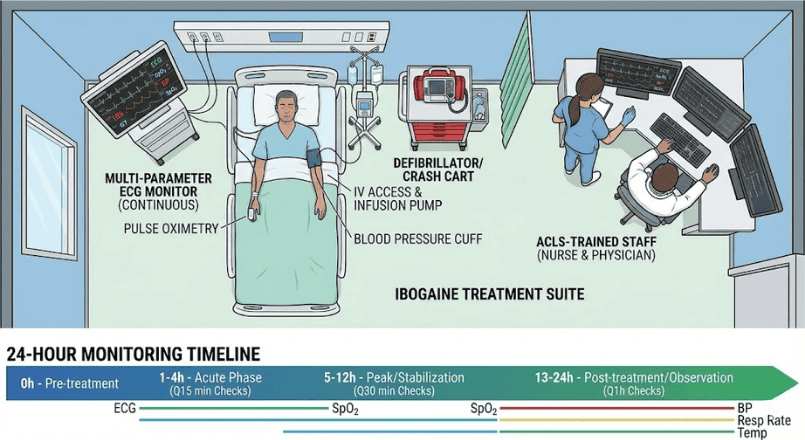
Emergency equipment maintained within qualified ibogaine treatment centers include defibrillators, resuscitation equipment, and comprehensive emergency medication supplies. Emergency protocols address potential cardiovascular events, neurological complications, and other acute medical issues. Although highly unlikely when proper pre-treatment preparations are followed, medical staff maintain capabilities for advanced life support interventions throughout the treatment period.
Post-Treatment Recovery and Integration
Extended supervision continues following treatment to monitor for any delayed effects. Blood pressure, pulse, and oxygen levels are assessed.
Aftercare planning includes structured psychotherapy, support group participation, and comprehensive recovery programming. Research indicates that patients with robust aftercare demonstrate higher long-term sobriety rates compared to those without systematic follow-up Support. Psychological integration support helps patients process insights gained during treatment and translate neurobiological changes into sustainable lifestyle modifications.
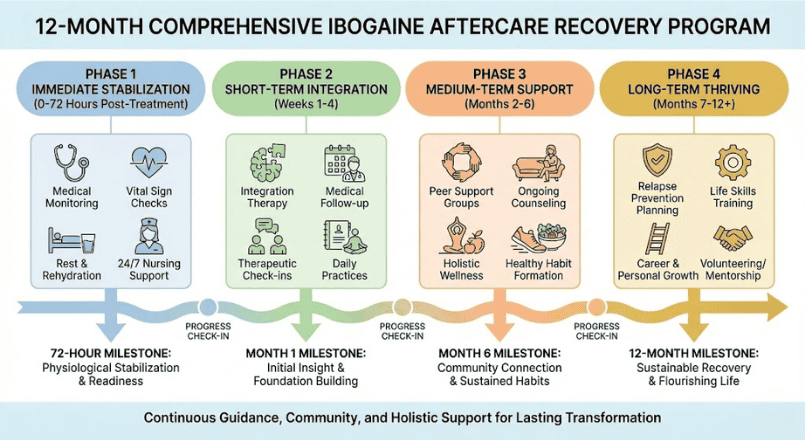
Integration therapy addresses trauma processing, relationship rebuilding, and development of healthy coping mechanisms. Follow-up monitoring may include additional electrocardiograms.
Safety has been the top priority at the Avante Ibogaine Institute throughout our 12 years of providing successful client treatments. Our comprehensive protocols and experienced medical team ensure the highest standards of patient care.
Learn more about our safety record and medical supervision approach.
Safety Considerations and Risk Factors Cardiac Risks and Heart Health Concerns
Ibogaine administration carries risk of cardiac arrhythmias, particularly in patients with preexisting cardiovascular conditions or electrolyte imbalances, due to the ibogaine compound blocking cardiac potassium channels. If left unaddressed, QT interval prolongation could potentially lead to torsades de pointes arrhythmia.
QT prolongation mechanisms involve altered cardiac cell repolarization through multiple pathways, including bradycardia effects and hERG channel blockade. Bizarre t-wave morphology changes may occur during acute ibogaine metabolism, including t-wave flattening, biphasic patterns, and altered anterior slope morphology.
Magnesium co-administration is a crucial safety intervention that should be deployed and monitored in all treatment cases. Stanford University research has demonstrated that magnesium supplementation prevents cardiac complications while maintaining therapeutic efficacy.
At the Avante Ibogaine Institute, risk mitigation includes comprehensive cardiac screening, continuous electrocardiographic monitoring, and immediate availability of emergency cardiac Interventions should the need arise. Ibogaine treatment should occur only under strict medical observation with continuous monitoring extending through the entire treatment period.
Who Should NOT Take Ibogaine
According to Dr. Srinivasa Bodha of the Avante Ibogaine Institute, any candidate with a history of cardiac malfunction or other heart condition may not be considered for ibogaine treatment. Heart condition exclusions include any history of arrhythmia, heart failure, coronary artery disease, or structural cardiac abnormalities. Patients with other cardiovascular risk factors require extensive evaluation to rule out cardiac contraindications prior to treatment approval.
Psychiatric contraindications encompass active psychosis, severe bipolar disorder, and suicidal ideation. The intense psychological effects of ibogaine may exacerbate underlying mental health conditions, requiring careful psychiatric assessment prior to treatment approval.
Medication interaction warnings include any medications that prolong QT intervals, antiarrhythmic drugs, and SSRI and SNRI psychiatric medications. Withdrawal from alcohol or benzodiazepines present seizure risks that can induce lethal arrhythmias during ibogaine Treatment. Therefore, careful titrating schedules must be adhered to in advance of treatment approval.
Pregnancy represents an absolute contraindication due to unknown effects on fetal development and maternal safety risks.
Age restrictions typically exclude elderly patients over 70 years and those under the age of 18 due to limited safety data.
Reported Deaths and Safety Statistics of Ibogaine Treatment
When considered relative to the large number of people receiving ibogaine treatment worldwide over many years, very few fatalities have occurred or been reported due to ibogaine administration. Fatality rate analysis suggests that deaths typically occur in settings lacking proper medical supervision and ibogaine safety protocols. Cases involving internet-purchased ibogaine of unknown purity and unsupervised administration present particular risks.
Contra Drug and Medication Interactions
Dangerous medication combinations include any drugs affecting cardiac conduction, particularly those prolonging QT intervals. Antiarrhythmic medications, certain antibiotics, antipsychotic drugs, and tricyclic antidepressants require discontinuation prior to ibogaine treatment. Withdrawal timeline considerations necessitate careful medication tapering protocols to avoid precipitating dangerous withdrawal syndromes. Benzodiazepine withdrawal requires management by knowledgeable ibogaine medical staff due to high seizure risks. Alcohol withdrawal treatment (physician assisted ETOH detox) must be fully completed prior to ibogaine administration.
Contraindicated substances include any/all stimulant drugs, which may increase cardiac risk, and depressants, which may potentiate respiratory depression. Herbal supplements and overthe-counter medications require review for potential interactions.
Note that drug interaction databases may not adequately address all ibogaine-specific concerns, requiring specialized ibogaine treatment professionals such as the team at the Avante Ibogaine Institute to safely analyze each ibogaine candidate in advance of treatment approval.
Ibogaine Legal Status and Global Availability United States Legal Framework of Ibogaine
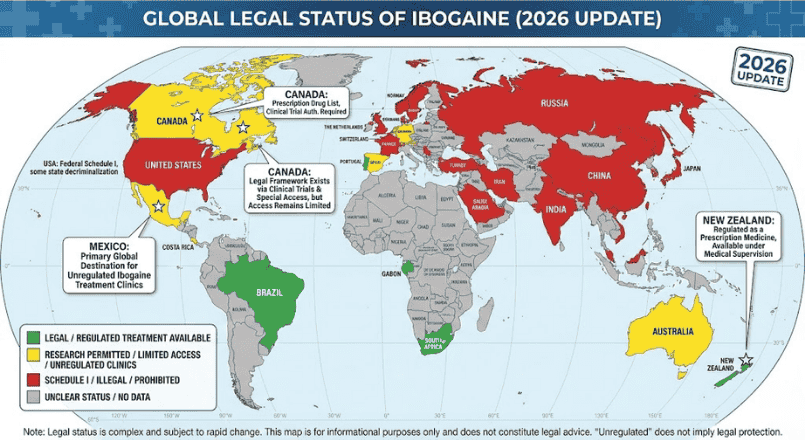
Ibogaine remains federally classified as a Schedule I controlled substance under the Controlled
Substances Act, inaccurately indicating a high potential for abuse and no accepted medical use.
This classification significantly restricts research capabilities and clinical applications within the United States. State-level initiatives are emerging across multiple jurisdictions. Texas has allocated $50 million through Senate Bill 2308 for FDA-supervised clinical trials, representing the largest state investment in psychedelic research. Arizona, Nevada, New York, Oregon, and Washington have introduced similar legislation supporting ibogaine research.
FDA research programs have begun accepting applications for clinical trials. The UK Medicines and Healthcare Products Regulatory Agency recently granted approval for Phase 1/2a clinical trials of ibogaine, providing a regulatory template for potential FDA approval. DEA enforcement considerations limit research activities within the U.S. and Federal funding restrictions prevent most government-supported research. However, we are hopeful that recent legislative changes may create new research opportunities in the U.S.
International Ibogaine Treatment Destinations
Mexico
Mexico offers unregulated ibogaine treatment through numerous clinics operating without specific legal restrictions. This regulatory environment has made Mexico an attractive destination for ibogaine therapy, attracting many individuals seeking alternative addiction treatments. However, quality and safety standards vary significantly between providers.
The Bahamas
Nassau, Bahamas has been home to The Avante Ibogaine Institute, a leading clinical provider of ibogaine treatment since 2013. The island of Nassau offers supportive medical infrastructure, safe tourism, and an ideal Caribbean environment conducive to therapeutic healing.
Canada
Canadian access occurs through Health Canada’s Special Access Program, though approvals remain limited. While ibogaine sale and distribution are restricted, the Prescription Drug List classification allows limited medical access.
Europe
European accessibility varies by country, with some nations allowing research applications while maintaining restrictions on clinical use.
New Zealand
New Zealand programs operate under medical supervision within established regulatory frameworks. Clinical trials conducted in New Zealand have contributed significant safety and efficacy data to the global research literature.
Emerging Legal Developments
Texas Governor Greg Abbott signed legislation authorizing FDA-approved clinical trials to establish ibogaine as medication for opioid use disorder and other behavioral health conditions.
This represents unprecedented state-level support for psychedelic medicine research.
Research funding trends indicate increasing governmental interest in psychedelic therapeutics. Seven states introduced legislation in 2025 related to ibogaine research, demonstrating growing political support. Federal perspectives may evolve as state programs demonstrate safety and Efficacy. FDA approval pathways require completion of Phase I, II, and III clinical trials demonstrating safety and efficacy. Pharmaceutical companies including ATAI Life Sciences are conducting Phase I trials examining ibogaine’s effects on opioid use disorder.
Regulatory outlook suggests potential rescheduling if clinical trials demonstrate medical utility with acceptable safety profiles. Timelines for FDA approval extend several years at minimum, requiring sustained research, financial investment, and regulatory support.
How To Choose an Ibogaine Treatment Center Essential Safety Standards and Accreditation
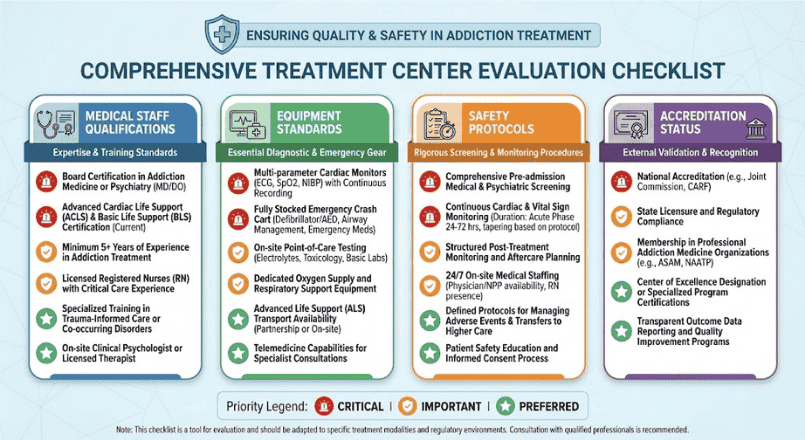
Medical staff requirements include high quality physicians and clinicians with clinical ibogaine treatment experience, specialization in addiction medicine and psychiatry, and ACLS-certified nursing personnel.
Equipment standards encompass continuous cardiac monitoring systems and comprehensive emergency equipment and medication supplies. Facilities require capability for advanced cardiac interventions and rapid transfer to intensive care unit, if necessary.
ICU/ACLS level medical staff must have the capacity to effectively address cardiac arrhythmias, respiratory depression, seizures, and psychological emergencies. Staff training includes recognition of any life-threatening complication and immediate response protocols. Medical oversight extends beyond basic observation to include capability for providing advanced life support.
Cost Considerations and Payment Options
Treatment cost for high-quality ibogaine treatment centers typically ranges from $8,000 to $15,000, excluding travel expenses. Reports indicate people paying averages of $10,000 -$12,000 for high quality clinical treatment, excluding travel-related expenses or extended stay requirements for more complex cases.
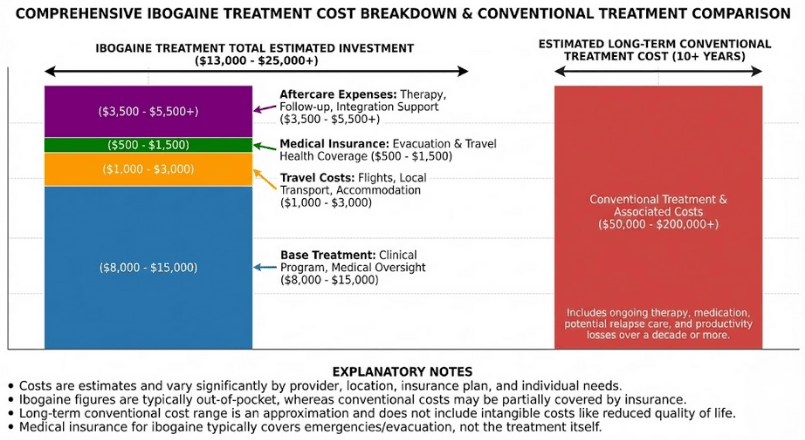
Insurance coverage remains unavailable for non-FDA approved treatments as ibogaine.
Patients typically pay entirely out-of-pocket, often creating financial barriers to access. Value assessment considerations compare ibogaine’s single treatment cost against long-term conventional treatment expenses. Economic analysis must include the potential healthcare savings from successful addiction treatment versus ongoing medical and social costs of untreated addiction.
Red Flags and Warning Signs of Ibogaine
The most critical concerns are inadequate medical competence including the absence of qualified physicians and clinicians with specialized knowledge of ibogaine treatment, the lack of proper pre-treatment assessment and preparation, monitoring, and/or insufficient training and emergency response capabilities.
Unrealistic treatment promises include guarantees of cure and claims of 100% success rates. Legitimate providers acknowledge ibogaine’s treatment limitations and variation in individual outcomes.
Ibogaine Scientific Evidence, Research Studies and Treatment Outcomes
A systematic literature review of 24 studies, including those conducted at the Avante Ibogaine Institute in Nassau, Bahamas and involving 705 individuals demonstrates that ibogaine effectively reduces withdrawal symptoms and craving from a wide range of substance use disorders. This research also indicates beneficial impacts on depressive and trauma-related psychological symptoms.
Stanford University research findings represent the most rigorous safety data available. A study of thirty (30) U.S. veterans demonstrated significant improvements in PTSD, depression, and general anxiety disorder symptoms while maintaining excellent safety profiles with magnesium co-administration. Formal cognitive testing revealed improvements in concentration, information processing, and memory.
Long-term follow-up results suggest sustained benefits extending beyond the acute treatment period. Twelve-month observational studies demonstrate significant reductions in addiction severity scores and sustained opioid cessation or reduced use.
Success rate data varied across studies, with outcomes influenced by patient selection criteria and aftercare support quality. Dr. Deborah Mash’s clinical study reported up to 50% of patients remaining drug-free following treatment when proper protocols were implemented.
Ongoing Research and Future Developments
Current clinical trials include FDA-approved Phase I studies examining safety and dosing parameters. Ibogaine has received regulatory approval for human testing in Phase 1/2a clinical trials, joining the current landscape of psychedelic medicines in clinical development.
FDA research programs have expanded to include multiple pharmaceutical companies developing ibogaine-based therapeutics. Gilgamesh Pharmaceuticals received a $14 million NIDA grant to develop cardiac-safe ibogaine analogues. Novel analogue development focuses on maintaining therapeutic efficacy while eliminating cardiac toxicity. Yale University researchers have identified compounds that ameliorate depression, anxiety, and opioid withdrawal symptoms without causing heart toxicity.
Therapeutic advancement studies examine combination therapies, optimized dosing protocols, and enhanced safety measures. Research priorities include placebo-controlled trials, longer follow-up periods, and broader patient population studies.
Ibogaine Treatment Success Stories and Patient Experiences Veteran PTSD Recovery Cases
Clinical case reports describe veterans experiencing significant improvements in PTSD symptoms, with some patients reporting the complete elimination of suicidal ideation and restoration of emotional well-being. Combat trauma processing during ibogaine treatment appears to facilitate psychological healing that conventional therapies had not achieved.
Traumatic brain injury recovery stories include improvements in cognitive function, memory, and emotional regulation. Veterans report enhanced quality of life, improved relationships, and increased functional capacity following treatment. Military veteran success cases demonstrate particular relevance given the high rates of co-occurring substance use and mental health disorders in this population.
Texas legislation specifically targets veteran populations due to the state’s large veteran population and their unique treatment needs.
Opioid Addiction Recovery Testimonials
Long-term sobriety achievements include patients maintaining abstinence for years following single ibogaine treatments. These cases often involve individuals who had multiple failed experiences using traditional treatment programs and other conventional approaches. Life transformation stories describe fundamental shifts in life and perspective, relationship quality, and personal goals. Patients frequently report a renewed motivation for personal growth, family reunification, and career development.
Family reunification cases highlight the social benefits extending beyond individual patients to include restored family relationships and reduced caregiver burden. Recovery is flound to impact and benefit multiple family members and community relationships.
Personal recovery journeys demonstrate the individual nature of ibogaine treatment experiences while identifying common themes of psychological insight, emotional healing, and spiritual renewal.
Managing Expectations and Realistic Outcomes
Treatment limitations include the reality that ibogaine does not guarantee permanent recovery or eliminate the need for ongoing support and personal commitment. Success requires active participation by the individual, and in cases of addiction, a determined mindset to restore abstinence in their lives. Individuals that participate in supportive aftercare and lifestyle changes increase liklihood of long-term treatment success. Individual outcome varies considerably and depends upon factors including addiction severity, single or poly-substance addiction, cooccurring mental health conditions, availability of social support systems, and personal motivation for change. It is imperative to note that not all patients achieve sustained abstinence.
The Avante Ibogaine Institute team in Nassau, Bahamas emphasises that ibogaine treatment represents a comprehensive healing tool rather than a cure or a complete solution. Patients typically benefit from continued supportive psychological care and recovery programming to achieve the most out of their ibogaine treatment experience.
Professional Ibogaine Addiction Recovery Treatment Services at The Avante Ibogaine Institute Our 12-Year Track Record of Success
For over a decade, the team at the Avante Ibogaine Institute has been focused solely on providing safe and effective clinical ibogaine treatment to patients challenged by addiction, alcoholism, and trauma-related disorders. Avante combines the latest medical protocols with compassionate, personalized care that addresses each patient’s unique needs.
What sets The Avante Ibogaine Institute Bahamas apart from other ibogaine centers:
- One of the longest active ibogaine treatment centers in existence
- Top rated physicians and clinicians’ specializing in clinical ibogaine treatment
- Operating an ICU/ACLS clinical platform
- An unblemished 12+ year safety record
- Comprehensive pre-treatment screening and post-treatment support
- 24/7 medical monitoring with advanced cardiac life support
- Luxurious and Private Upscale Center in the beautiful Caribbean island of Nassau, Bahamas
Contact our experienced medical team for a confidential consultation.
Avante’s Comprehensive Ibogaine Treatment Programs
Medical supervision protocols ensure top-rated physicians and clinicians oversee all patient treatment procedures from screening through treatment completion. Our personalized treatment programs are capable of addressing most individual patient needs, including poly-substance addiction, chronic alcoholism cases, co-occurring disorders, and specific addiction patterns. Evidence-based ibogaine treatment combines the compound’s neurobiological effects with comprehensive medical support, psychological preparation, and structured aftercare assistance.
Our safety-first approaches prioritize patient wellbeing through rigorous screening and continuous monitoring developed through over 12 years of clinical ibogaine expertise.
Avante’s Integrated Treatment Programs include:
- Psychological integration therapy with trauma-informed specialists
- Ongoing medical monitoring and support
- Connection to local recovery support systems
- Family counseling and education programs
- Relapse prevention planning and follow-up care
Learn more about our comprehensive treatment approach and client success stories.
Why Choose The Avante Ibogaine Institute’s Experienced Clinical Ibogaine Team?
12 Years of Proven Excellence: Our clinic has successfully treated patients for well over a decade, establishing Avante as one of the most experienced and reputable ibogaine treatment centers globally. Our medical expertise encompasses addiction medicine specialists, cardiologists, psychiatrists, and emergency medical clinicians capable of managing the most complex cases.
Unmatched Safety Record: Our expert medical team has enabled us to maintain an exemplary safety record while maximizing the therapeutic benefits for our patients.
Comprehensive Care Philosophy: We not only address our clients addiction symptoms but also the underlying psychological conditions contributing to substance abuse disorders.
International Recognition: Regarding as a leader in clinical ibogaine treatment around the world. Our center operates within established legal frameworks and maintains the highest medical care standards.
Take the first step toward recovery.
Call our medical team today to discuss how our 12 years of experience can help you or your loved one break free from addiction.
Confidential consultations available 24/7. All initial consultations are completely private and without obligation.
Frequently Asked Questions About Ibogaine Treatment
How long does ibogaine treatment take to work?
The acute effects begin within 1-2 hours of administration, with withdrawal symptom relief nearly immediately. The complete treatment experience lasts 18-36 hours, though psychological integration may continue for weeks or months afterward.
Is ibogaine treatment covered by insurance?
No. Insurance coverage is not available for ibogaine treatment since the FDA has not approved it for medical use.
What are the success rates for ibogaine addiction treatment?
Success rates vary widely depending on study methodology, patient selection, and follow-up duration. Observational studies report 30-60% of patients maintaining significant improvements at one-year follow-up, though definitive efficacy data requires controlled clinical trials.
Can ibogaine cure addiction permanently?
Ibogaine alone is not a cure but it may facilitate significant shifts in perspective in how the individual views their drug or alcohol addiction resulting in a new outlook in how they attack their recovery. This shift in perspective can be instrumental at alleviating feelings of defeat, guilt, and shame, and restore the emotional wellbeing of an individual translating into a renewed confidence and determination in achieving long-term sustainable recovery.
How much does ibogaine treatment cost in 2026?
Treatment costs range between $8,000 to $15,000 at most international clinics, not including travel. Additional costs may include required extended care, additional treatments and services, and upscale luxury level providers.
Is ibogaine legal in my state for addiction treatment?
No. Ibogaine remains federally illegal as a Schedule I substance in the United States. However, several states are funding research initiatives, but legal medical treatment is not available within the United States. Patients must travel internationally to access treatment.
What happens if ibogaine treatment doesn’t work?
Treatment failure requires reassessment of underlying factors, consideration of alternative therapeutic approaches, and potentially repeated treatment with enhanced support systems.
How do I prepare for ibogaine treatment?
Preparation includes pre-treatment evaluation, preparation coaching from the facility of choice, comprehensive medical screening, medication adjustments, and psychological evaluation. Once admitted, preparations continue with clinical care including IV nutraceuticals, magnesium and potassium balancing, and the development of a patient aftercare support system. Patients must fast for 8-12 hours before treatment and address any/all medical contraindications.
Can I take ibogaine if I have heart problems?
Heart conditions represent the primary contraindication for ibogaine treatment. Any history of cardiac disease requires extensive evaluation by cardiologists before consideration for treatment. Most heart conditions exclude patients from treatment eligibility.
What medications should I stop before ibogaine treatment?
All medications affecting heart rhythm must be discontinued, along with substances that prolong QT intervals. Specific tapering protocols for SSRI and SNRI medications should be explained by your treatment center of choice.
Medical Disclaimer
This information is provided for educational purposes and reflects our clinic’s 12 years of successful ibogaine treatment experience. While ibogaine is not FDA approved for medical use in the United States, our clinic operates within legal international frameworks with full medical supervision. Individual results may vary, and ibogaine treatment involves medical risks that require professional evaluation and monitoring. This guide represents our clinical experience and current research understanding of ibogaine therapy. Important Safety Information: Our center maintains the highest safety standards developed over 12 years of practice, including comprehensive pre-treatment screening, continuous cardiac monitoring, and 24/7 medical supervision. We encourage individuals to thoroughly evaluate their candidacy for treatment through our comprehensive consultation process.