

Written by Nico Vara, AS, CAC, Avante Sr. Program Coordinator
Medically reviewed by Srinivasa Bodha, MD, Avante Medical Director
Last updated: 20 October 2026
Where is Ibogaine Treatment Available?
Ibogaine Is actively being studied and researched in countries throughout the world. The U.S. Food and Drug Administration (FDA) is actively moving to accelerate research and clinical trials for ibogaine following an April 2026 executive order by President Donald Trump aimed at addressing serious mental illnesses and veteran suicide crises. And yet, for those in the United States, ibogaine remains a Schedule I substance and completely out of reach in America.
If you’re researching ibogaine for yourself or someone that you care about, the legal landscape can feel intimidating as laws differ dramatically between countries.
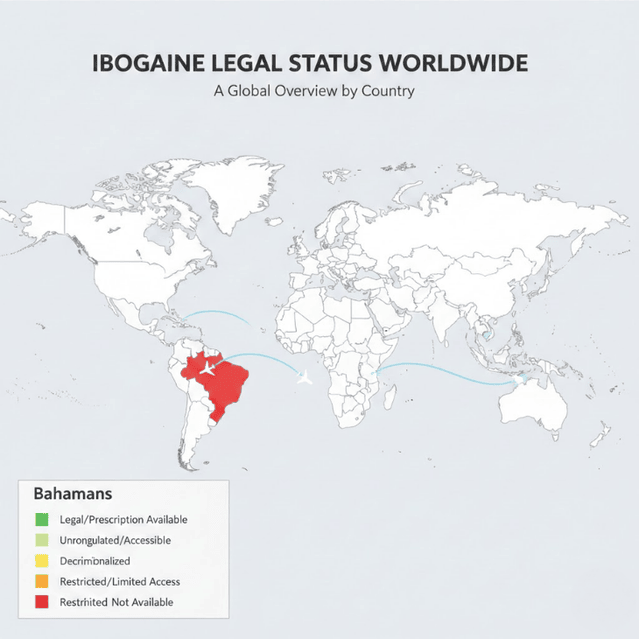
The good news is that high quality ibogaine treatment is available and within reach for many who are able to travel to territories lying just outside of the United States, including the Bahamas and Mexico. This guide provides practical information about:
→ Where ibogaine treatment is legally available
→ What differs between each destination
→ Safety factors that matter more than geography alone
Understanding Ibogaine’s Legal Classification
Before researching specific countries where ibogaine treatment is available, allow us to review how drug laws actually work. The terms “legal,” “illegal,” and “decriminalized” are frequently used when explaining ibogaine treatment, but each have very different meanings when trying to access clinical ibogaine treatment.
An important fact: ibogaine is not listed on the United Nations International Narcotics Control Board’s schedule of controlled substances. Accordingly, ibogaine is not universally illegal or considered a Scheduled substance by many countries around the world.
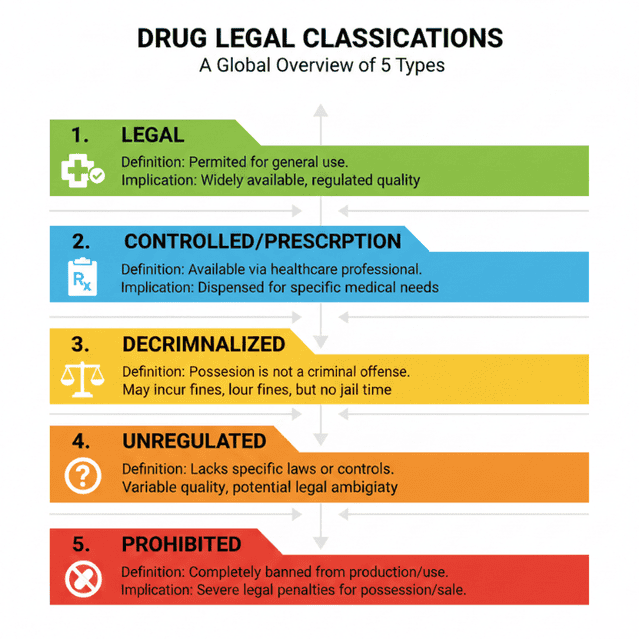
Let’s review what each classification term means in practice:
|
Classification |
What It Means |
Practical Implication |
| Legal | Approved, Authorized, or Allowed for medical use with proper clinical oversight | Treatment available through licensed clinical centers or physicians |
| Controlled/Prescription | Approved only with special authorization or by controlled prescription | Access is possible but often may be difficult to obtain |
| Decriminalized | Personal possession not prosecuted | Does not authorize/permit commercial treatment |
| Unregulated | Not specifically addressed in the countries existing drug laws | Clinics are able to operate in legal gray area; where quality and competence varies widely |
| Illegal/Prohibited | Banned entirely, including for all medical uses | Treatment access is prohibited and carries criminal penalties |
Understanding these distinctions matters: where ibogaine is unregulated, clinical standards can vary widely between providers, so the questions you ask a clinic matter as much as the country.
Countries Where Ibogaine Treatment is Legally Available
Although regulatory frameworks and clinical standards may vary considerably, several countries permit clinical ibogaine treatment.
Geography, language, medical infrastructure, and travel logistics can all factor into choosing an Ibogaine treatment destination.
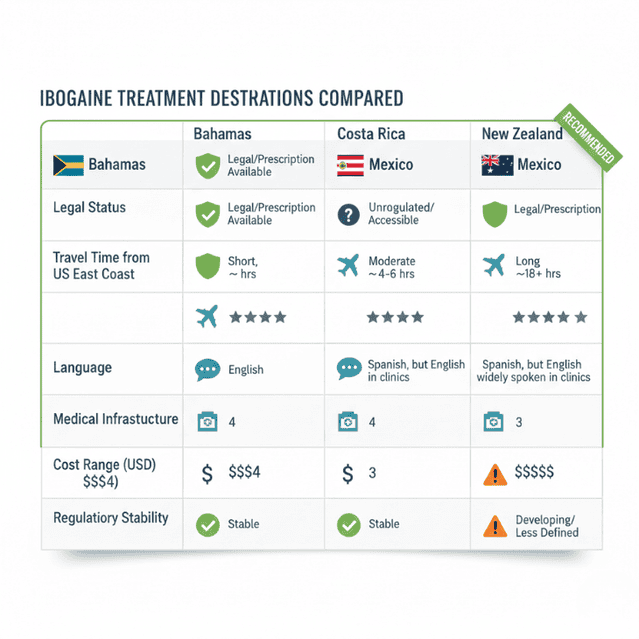
The following outline lists the top destination options available to individuals traveling from North America, organized by practical considerations:
The Bahamas
The Bahamas has become a leading destination for clinical ibogaine treatment, particularly for patients traveling from the eastern United States. Ibogaine is not scheduled under Bahamian law, and the country’s medical tourism infrastructure supports clinical access to ibogaine and other holistic therapies.
Nassau, the capital, is about a 1-hour nonstop flight from Miami or Fort Lauderdale, with direct and connecting flights from most major East Coast cities. English is the official language, so patients and families can speak directly with medical staff without an interpreter. US citizens need a valid passport to fly to the Bahamas.
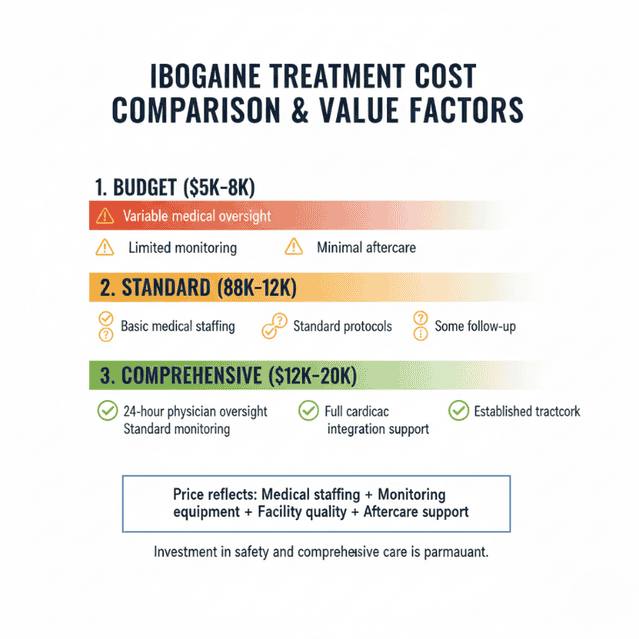
Treatment costs in the Bahamas vary with program length and the medical services included, such as on-site lab work, cardiac monitoring and nurse staffing. Ask any provider for a written list of what the price covers.
The Avante Ibogaine Institute has operated in Nassau, Bahamas since 2013, treating patients with opioid addiction, alcoholism, PTSD, and depression. The clinical team includes ER and ICU-trained staff, and the facility maintains 24-hour cardiac monitoring throughout treatment.
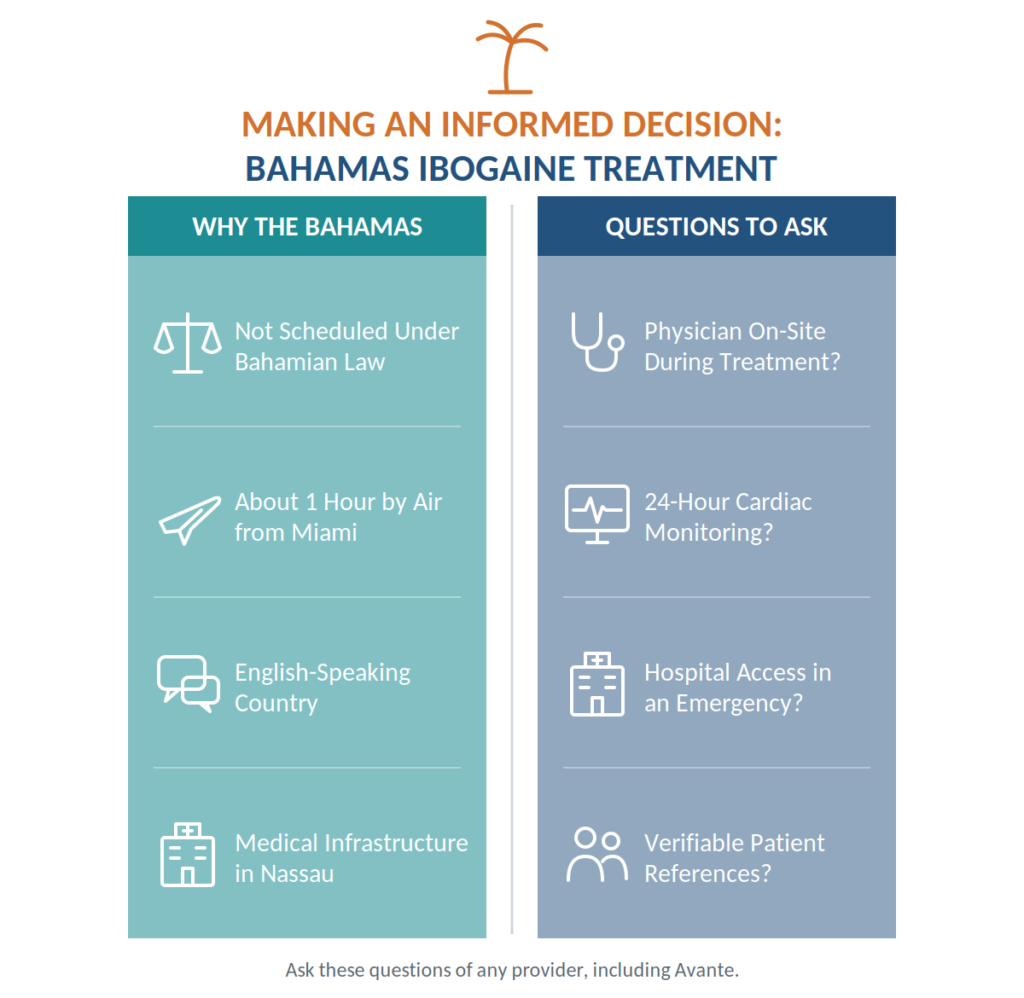
Questions to ask any Bahamas treatment provider:
- Is a licensed physician present on-site during all ibogaine administrations?
- Is cardiac monitoring continuous for at least 24 hours after dosing?
- Which hospital would you transfer a patient to in an emergency, and how far away is it?
- Are verifiable references available from former patients?
Key Considerations for The Bahamas:
- English-speaking country with established medical infrastructure
- Short, direct flights from the U.S. East Coast (Miami: about 1 hour)
- Ibogaine is not scheduled under Bahamian law
- Growing presence of clinical ibogaine treatment centers
- Tropical environment supports holistic recovery approach
Costa Rica
Costa Rica’s legal position on ibogaine is less clear than it is often described. The iboga plant itself is not prohibited, but ibogaine is not registered as a medicine with the Ministry of Health, so its use as a treatment is not authorized. Retreats offering iboga and ibogaine operate largely outside government oversight, and deaths in 2014 and 2024 led to investigations and closer scrutiny by health authorities.
Patients considering Costa Rica should ask what permits a center holds and verify medical staffing, cardiac monitoring and emergency response before booking.
Mexico
Mexico is the most widely known destination for ibogaine treatment among U.S. patients. Ibogaine remains unregulated here—not explicitly legal, but also not prohibited. This gray-area status has allowed several clinics to establish operations, primarily within the Baja peninsula (Tijuana, Rosarito, Ensenada) and Quintana Roo region (Cancún, Playa del Carmen).
Treatment costs typically range between $8,000 to $15,000 in Mexico, though budget operators may advertise lower rates. Price variation often reflects significant differences in clinical quality given the lack of equivalent medical oversight and supportive infrastructures.
Safety concerns in Mexico can extend beyond lowered clinical standards including some border regions experiencing U.S. State Department travel safety advisories. Patients considering ibogaine clinics in Mexico should research specific locations carefully, distinguishing between tourist-safe areas and regions with documented security issues.
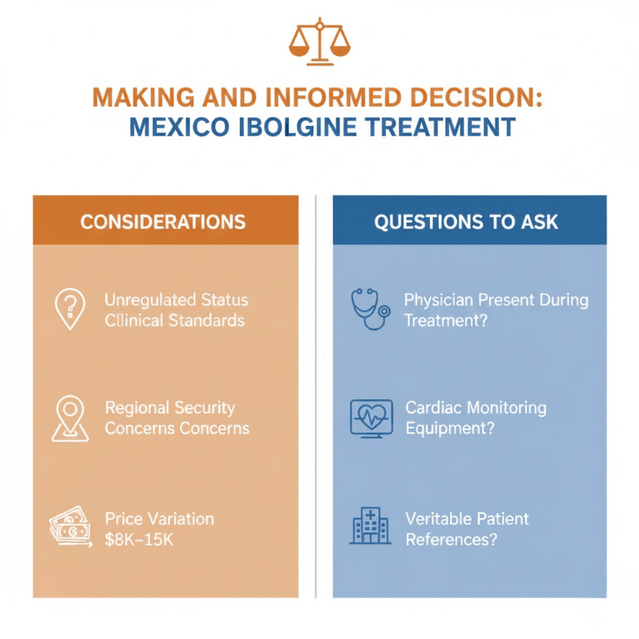
Questions to ask Any Mexican treatment providers:
- Is a licensed physician present on-site during all ibogaine administrations?
- What cardiac monitoring equipment is available?
- Is hospital support available in the event of an emergency?
- Are verifiable references available from former patients?
New Zealand
Since 2009, ibogaine has been available in New Zealand by prescription as a non-approved medicine.
This legal status comes with genuine and competent medical oversight. Prescribing doctors must justify ibogaine treatment for each patient, and administration occurs under licensed clinical supervision. For patients who prioritize regulatory legitimacy, New Zealand offers something no other destination can match.
The practical barrier of attending ibogaine treatment in New Zealand is the distance. Flights from the U.S. East Coast may exceed 14 hours with connections, and treatment costs are typically higher than alternate safe options such as the Bahamas, or cost-effective alternatives such as Mexico.
For most North American patients, the travel logistics make other destinations more suitable—but for those who can manage the journey, New Zealand represents the highest standard of legal clarity.
Other Treatment-Accessible Countries
Several European countries permit ibogaine treatment under varying legal frameworks. While less commonly chosen by North American patients, these destinations serve specific needs or geographic considerations.
Brazil classifies ibogaine as a controlled substance, available by prescription in some regions. São Paulo has seen clinical applications, though access depends on finding physicians willing to prescribe. The regulatory pathway exists but remains difficult to navigate for foreign patients.
The Netherlands does not specifically prohibit ibogaine, and treatment providers operate there. However, it is not approved as a medicine, so treatment takes place outside a formal medical framework. For North Americans, the travel distance offers no advantage over closer options.
South Africa lists ibogaine as a Schedule 6 medication, permitting medical use under professional supervision. Treatment centers exist, though the destination remains uncommon for U.S. patients due to distance and limited provider options.
Countries Where Ibogaine is Prohibited or Heavily Restricted
Well, so far we know now where you can get Ibogaine treatment. But do you know where ibogaine is prohibited? It matters as much as knowing where it’s available. The following countries either ban ibogaine outright or restrict access so severely that treatment is effectively unavailable.
United States
Ibogaine has been a Schedule I controlled substance since 1970, classified alongside heroin and LSD. Under federal law, it has “no accepted medical use” and “high potential for abuse”—designations that prohibit prescription and clinical treatment outside approved research.
This classification persists despite growing evidence of ibogaine’s therapeutic potential. The contradiction has not gone unnoticed at the state level.
Recent legislative developments:
In 2023, Texas passed HB 3717 directing state agencies to study psychedelic compounds including ibogaine. In 2025, the state allocated $50 million in budget funding specifically for FDA clinical research of ibogaine—a significant step toward generating the trial data that federal rescheduling and FDA approval would require.
New York’s S1817 represents another legislative effort to create research pathways, though it has not advanced nearly as far as Texas’ initiatives.
2026 updates
Federal executive order (April 2026). A federal executive order directed agencies, including the FDA, to speed up review of ibogaine, explore patient access under Right to Try, and consider rescheduling if clinical evidence supports it. It does not reschedule ibogaine. It remains a Schedule I substance.
Texas. After no drug-company partner qualified for its 2025 research funding, Texas announced on 31 March 2026 that it would run the program through in-state institutions.
Mississippi. House Bill 314, signed on 26 March 2026, provides $5 million for an ibogaine research consortium working toward FDA approval.
Other states. West Virginia advanced similar legislation in March 2026. Colorado’s Natural Medicine Advisory Board recommended adding ibogaine to the state’s regulated program, but two state agencies must still approve it.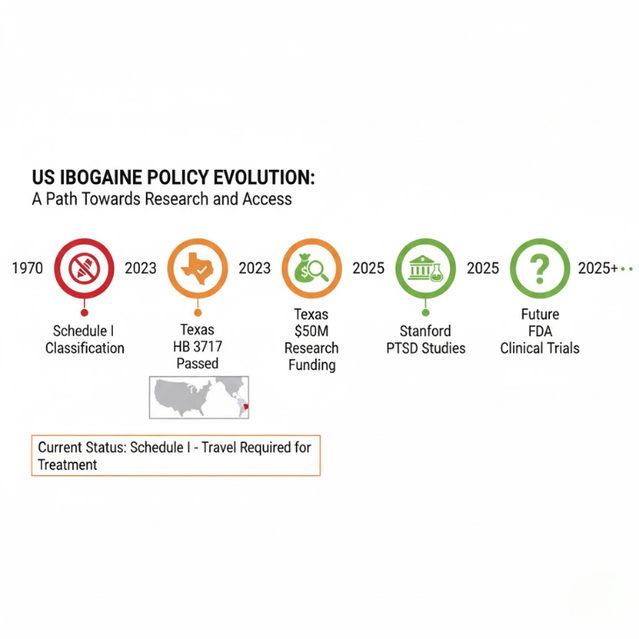
Several U.S. cities—including Oakland, Denver, and Detroit—have decriminalized psychedelics in general. However, city-level decriminalization does not create viable or safe treatment access. No licensed ibogaine clinics operate legally anywhere within the United States, and possessing ibogaine remains a federal offense regardless of local ordinances.
Therefore, under current U.S. regulations Americans seeking high-quality, safe and legal ibogaine treatment must travel abroad.
Canada
Canada’s legal status falls between outright prohibition and practical accessibility. Ibogaine is not listed under the Controlled Drugs and Substances Act, so personal possession is legal. However, it is on Health Canada’s Prescription Drug List, is not authorized for medical use, and the sale of health products containing it is prohibited.
A Special Access Program exists in theory, allowing physicians to request unapproved treatments for patients with serious conditions. In practice, approvals for ibogaine are rare. The application process is very complex, and most Canadian physicians lack familiarity with ibogaine protocols.
The result: Canadians seeking ibogaine treatment typically travel to the Bahamas or Mexico rather than attempting to navigate domestic bureaucracy.
European Countries with Restrictions
While the Netherlands does not specifically prohibit ibogaine and Portugal has decriminalized possession, most Western European nations prohibit it entirely.
France banned ibogaine in 2007 after reported fatalities, classifying it as a controlled substance with no medical exemptions.
Belgium, Sweden, and Switzerland maintain strict prohibitions. No legal treatment pathway exists in these countries.
Norway and Ireland classify ibogaine among controlled substances, with penalties for possession and distribution.
Italy restricts ibogaine under national drug scheduling laws, though enforcement varies regionally.
The United Kingdom effectively prohibited ibogaine through the Psychoactive Substances Act of 2016, which banned any substance producing psychoactive effects not already regulated elsewhere. This blanket legislation captured ibogaine alongside numerous other compounds.
Portugal decriminalized personal possession of all drugs in 2001, including ibogaine. However, decriminalization applies to personal use—not commercial treatment operations. Patients occasionally travel here, but the infrastructure for clinical ibogaine treatment remains limited compared to primary destinations.
European patients seeking treatment typically travel to the Netherlands, Portugal, or destinations outside Europe entirely.
Questions to Ask Before Choosing an Ibogaine Treatment Center
Choosing a treatment center requires more than comparing prices and reading testimonials.
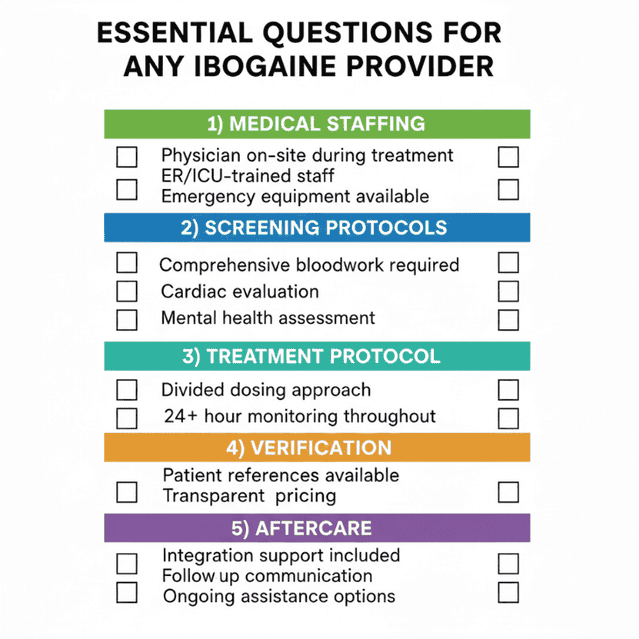
Below we have mentioned some questions to help you evaluate any provider—including ours.
Medical Staffing
Is a physician present on-site during ibogaine administration?
What are their credentials?
What emergency equipment is available if complications arise?
The Avante Ibogaine Institute operates on an ICU clinical platform with full medical stabilization capabilities, crash carts, and physician oversight throughout treatment.
Screening Protocols
What tests are required before treatment?
How recent must bloodwork be?
Will they accept outside lab results, or do they conduct their own?
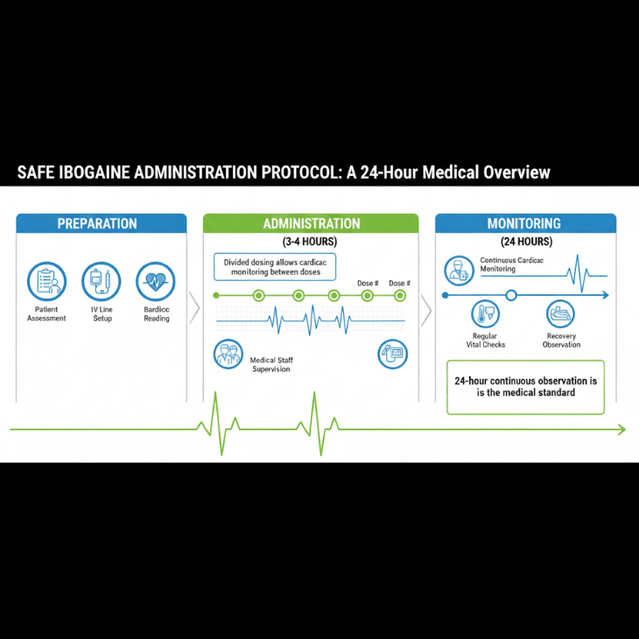
All patients at Avante receive comprehensive clinical labwork on-site. Recent bloodwork may be submitted for review, but policy requires all lab tests to be completed at our facility prior to treatment.
Treatment Protocol
Is ibogaine administered as a single large dose or divided over time?
How long does monitoring continue after administration?
Standard safety protocol requires uninterrupted monitoring for 24 hours on treatment day. At Avante, patients receive ibogaine intermittently over 3-4 hours, allowing clinical staff to monitor cardiac function throughout dosing and achieve the highest possible safety margin.
Patient References
Can the clinic connect you with former patients willing to share their experience?
Avante offers all pre-qualified candidates the opportunity to speak directly with past clients who have agreed to share their treatment experience.
Aftercare Support
What happens after you leave?
Is integration support included, or does treatment end at discharge?
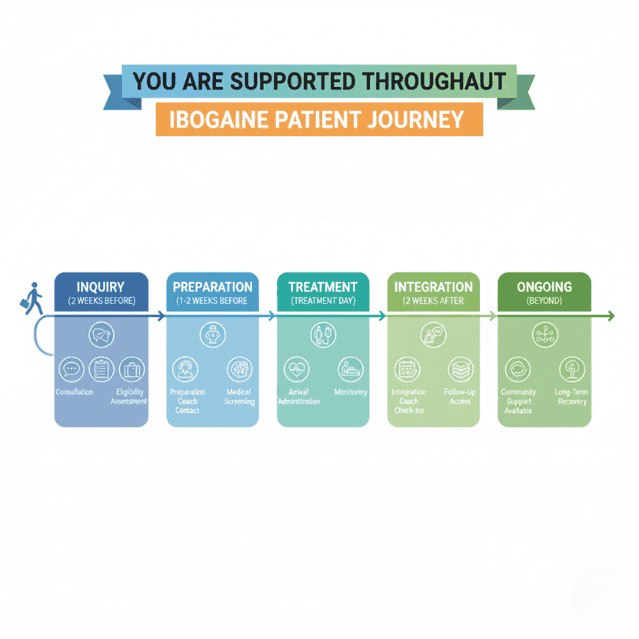
Your Avante Preparation and Integration Coach maintains communication beginning two weeks before treatment and continuing two weeks after. We coordinate aftercare support for all patients who desire ongoing assistance.
Why Ibogaine’s Legal Status Varies So Much Between Countries
Unlike heroin, cocaine, or cannabis, ibogaine does not appear on the United Nations’ controlled substances schedules.
Each nation decides independently how or whether to regulate it.
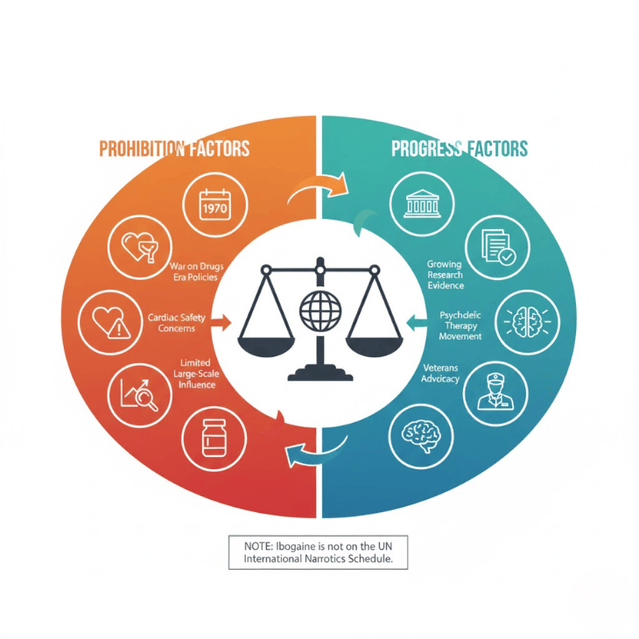
Several factors shape these national decisions:
Historical influence: The U.S. classified ibogaine as Schedule I in 1970, and many Western allies followed with similar restrictions during the War on Drugs era.
Safety concerns: Ibogaine’s cardiac risks prompted some countries to restrict it proactively.
Limited clinical data: Without large-scale FDA-style trials, regulatory agencies in many countries lack the evidence base they typically require for medical approval.
Changing attitudes: Growing research into psychedelic-assisted therapy has prompted some jurisdictions to reconsider blanket prohibition.
For patients, this means geography determines access as much as medical need.
How Ibogaine’s Legal Status has been Changing
In January 2024, Stanford Medicine researchers published a study in Nature Medicine on 30 US Special Operations veterans with mostly mild traumatic brain injury. The veterans received ibogaine together with magnesium, given to protect the heart, at a clinic in Mexico. One month later, they showed significant improvements in disability, PTSD, depression and anxiety, with no unexpected or serious adverse events. It was an observational study, not a controlled trial. Veterans advocacy groups have become influential voices in policy discussions, pushing for expanded access to treatments that conventional VA healthcare hasn’t provided.
Public awareness is growing too. The 2025 Netflix documentary “In Waves and War” brought ibogaine treatment into mainstream conversation, featuring veterans who sought treatment abroad after exhausting domestic options.
None of this means U.S. legalization is imminent. Federal rescheduling requires extensive clinical evidence, regulatory review, and political will. Patients seeking treatment today still need to travel abroad. But the trajectory has clearly shifted from prohibition without question toward active research and serious policy debate.
Conclusion
For patients traveling from the United States, the Bahamas and Mexico offer the most practical ibogaine treatment options—with each presenting different trade-offs in regulatory clarity, clinical standards, and travel logistics. The questions you ask before choosing a provider matter more than the country you choose.
If you’re considering ibogaine treatment for yourself or someone you love, the Avante Ibogaine Institute offers confidential consultations and clinical assessments free of cost or obligation. You may call 1-844-4-AVANTE or email avanteinstitute@gmail.com to determine your eligibility for treatment.
Frequently Asked Questions
Can US citizens legally travel abroad for ibogaine treatment?
Yes. US law does not prohibit traveling to another country for ibogaine treatment where it is legal or unregulated. Bringing ibogaine back into the US is illegal.
How much does ibogaine treatment typically cost?
Due to the vast disparity between treatment centers, clinical quality and countries, costs do vary greatly. Most high-quality clinical centers that have well established track records and luxury facilities range between $10k-$20k for comprehensive treatment care.
Is ibogaine treatment covered by insurance?
Unfortunately, ibogaine is not covered by insurance. However, the Avante Ibogaine Institute is able to accept credit card payment.
How do I know if I’m a candidate for ibogaine treatment?
The Avante Ibogaine Institute conducts a clinical pre-clearance process to assess your case in advance of approval for treatment.
What substances does ibogaine treat?
Ibogaine treatment is most often sought for opioid, alcohol and stimulant dependence. It is not used for benzodiazepine dependence.
Can doctors prescribe ibogaine in any country?
Only in a few countries. New Zealand allows prescription as a non-approved medicine, and Brazil allows it with special authorization. In most other countries, doctors cannot prescribe it.

2 comments