
How does a single substance interrupt years of addiction? That question has puzzled researchers for decades, and the answer lies in ibogaine’s extraordinary ability to affect multiple brain systems simultaneously.

Most addiction treatments target one receptor or one neurotransmitter system. But ibogaine doesn’t work that way. It interacts with serotonin, dopamine, opioid, and glutamate systems all at once, which may explain why people report such different outcomes compared to conventional treatments.
This article breaks down the neuroscience behind ibogaine in plain language. You’ll learn how it affects brain chemistry, why withdrawal interruption occurs, what happens during the experience itself, and why safety monitoring matters.
Whether you’re a healthcare provider researching options for patients or someone exploring treatment for yourself or a loved one, understanding these mechanisms helps you make informed decisions.
Let’s dive in…
What Is Ibogaine? A Brief Background
Origins and Traditional Use
So what is Ibogaine and where it comes from? Ibogaine comes from the root bark of Tabernanthe iboga, a shrub native to Gabon and the Republic of Congo in West Africa. The Bwiti people have used it for centuries in spiritual ceremonies, typically for initiation rites and healing rituals.
Western interest began in 1962 when Howard Lots of, then a 19-year-old with heroin dependence, took ibogaine recreationally and noticed something unexpected: his withdrawal symptoms and cravings disappeared. That observation launched decades of research into ibogaine’s anti-addictive properties.
Forms Used in Ibogaine Treatment
Clinical settings typically use ibogaine hydrochloride (HCl), a purified pharmaceutical-grade form that allows precise dosing. Some facilities use total alkaloid extracts containing multiple compounds from the iboga plant. The HCl form dominates medical treatment because standardization reduces variability in patient response.
Legal status of ibogaine by countries are so limited. In fact Ibogaine is classified as a Schedule I substance in the United States, which means treatment occurs at licensed clinics in countries like the Bahamas, Mexico, Costa Rica, and Portugal where it’s legal or unregulated.
Ibogaine’s Multi-System Brain Mechanism
You may have a question about what makes ibogaine different from other addiction treatments, right?
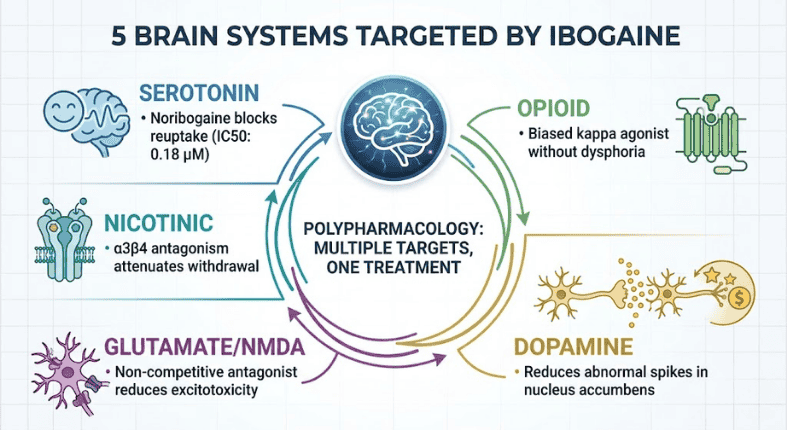
Well the answer would be: it doesn’t just target one system in your brain instead Research shows it interacts with at least FIVE major neurotransmitter systems simultaneously.
The Serotonin System Connection
Unlike typical psychedelics such as psilocybin or LSD that strongly activate serotonin 5-HT2A receptors, ibogaine shows only weak activity at these sites.
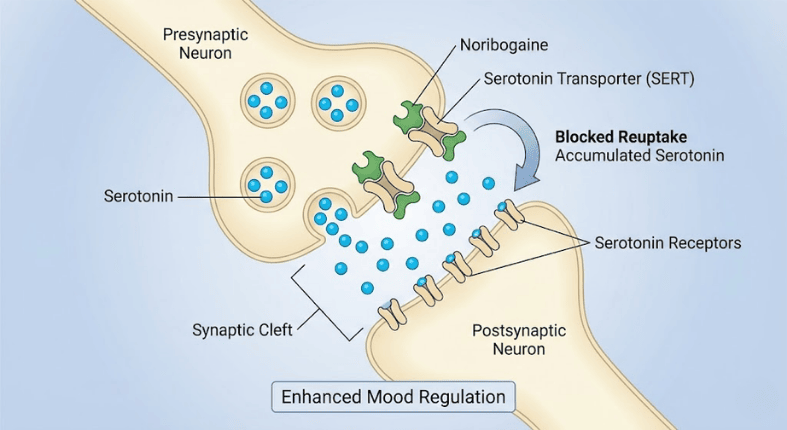
The real serotonin story involves noribogaine, ibogaine’s main metabolite. Noribogaine acts as a potent serotonin reuptake inhibitor with an IC50 of 0.18 µM—meaning it blocks serotonin reabsorption effectively at low concentrations. This contributes to mood regulation that extends well beyond the acute experience.
Opioid Receptor Interactions
Ibogaine binds to mu, kappa, and delta opioid receptors, but its relationship with kappa receptors deserves special attention. Noribogaine acts as what researchers call a “biased agonist” at kappa receptors. Traditional kappa agonists produce dysphoria—that heavy, depressed feeling. Noribogaine appears to activate the anti-addictive aspects of kappa signaling while avoiding the mood-dampening effects.
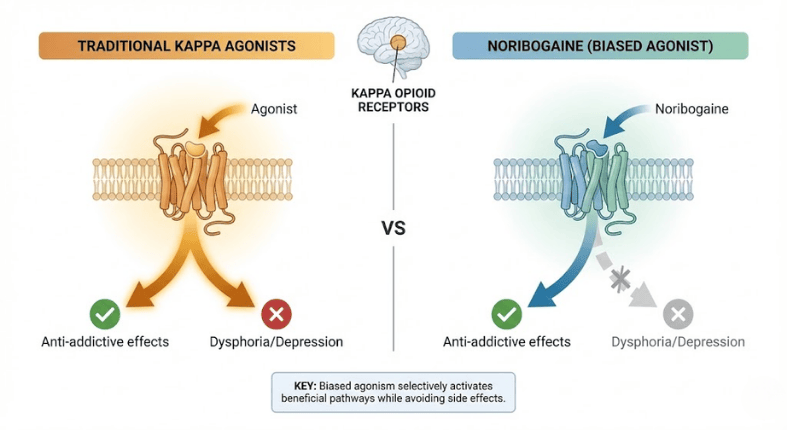
This binding pattern helps explain how ibogaine interrupts withdrawal without producing typical opioid-like effects. You can say, it’s not replacing one opioid with another; it’s interacting with the system differently.
NMDA Receptor Modulation
Ibogaine acts as a non-competitive antagonist at NMDA receptors, similar in some ways to ketamine’s mechanism.
During opioid withdrawal, glutamate activity becomes excessive, contributing to the agitation and discomfort people experience.
By modulating NMDA receptors, ibogaine may reduce this glutamate excitotoxicity and help normalize neural activity.
Dopamine System Effects
Chronic drug use changes the brain’s reward system, particularly dopamine pathways in the nucleus accumbens.
Research shows ibogaine acutely decreases extracellular dopamine in this region and blocks the dopamine release normally triggered by morphine, cocaine, and nicotine. These effects may help reset the reward system’s baseline, reducing the abnormal dopamine spikes that drive craving.
How Ibogaine Promotes Brain Healing and Rewiring
Beyond receptor binding, ibogaine triggers something potentially more significant: changes in brain growth factors that support neuroplasticity.
GDNF and BDNF: The Brain’s Growth Factors
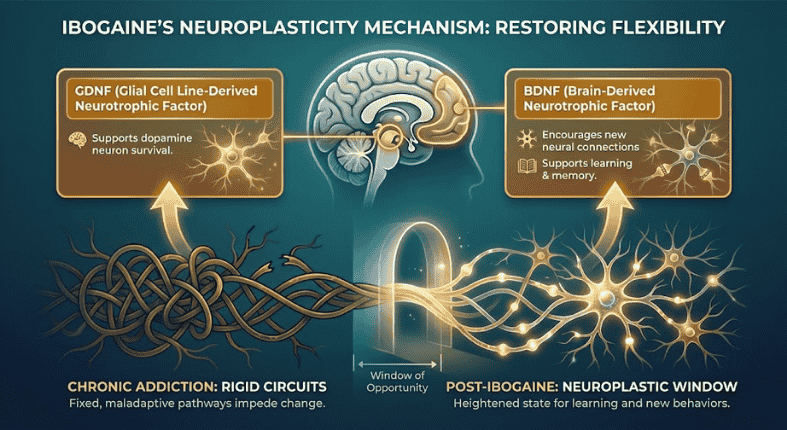
Research published in Frontiers in Pharmacology by Marton and colleagues demonstrated that ibogaine increases expression of glial cell line-derived neurotrophic factor (GDNF) in the ventral tegmental area (VTA), a region central to reward processing. The study found dose-dependent increases in GDNF protein specifically in the VTA at therapeutic doses.
Ibogaine also upregulates brain-derived neurotrophic factor (BDNF) transcript expression across multiple brain regions including the prefrontal cortex, nucleus accumbens, and substantia nigra. BDNF supports neuron survival, encourages new neural connections, and plays critical roles in learning and memory.
Why does this matter?
It matters because Chronic substance use damages neuroplasticity and creates complex, habitual circuits. These growth factors may help “soften” those hardened pathways, creating what many researchers describe as a window of opportunity for establishing healthier patterns.
The TBI and Neurological Healing Connection with Ibogaine
In January 2024 study published in Nature Medicine examined ibogaine combined with magnesium (the MISTIC protocol) in 30 Special Operations Forces veterans with traumatic brain injuries. The results showed significant improvements in PTSD symptoms, depression, anxiety, and cognitive function. Response rates exceeded 80% for major psychiatric measures, and importantly, no serious adverse events occurred under proper medical monitoring.
This research suggests ibogaine’s neuroplasticity effects may extend beyond addiction, though more controlled studies are needed to confirm these findings.
Noribogaine: The Long-Acting Metabolite
If you really want to understand how ibogaine treatment actually works, you need to know about noribogaine first. Because many of the sustained benefits likely come from this metabolite rather than ibogaine itself.
How Ibogaine Becomes Noribogaine
When you take ibogaine, your liver converts it to noribogaine via the CYP2D6 enzyme. This conversion happens rapidly, and noribogaine actually reaches higher blood concentrations than the parent compound.
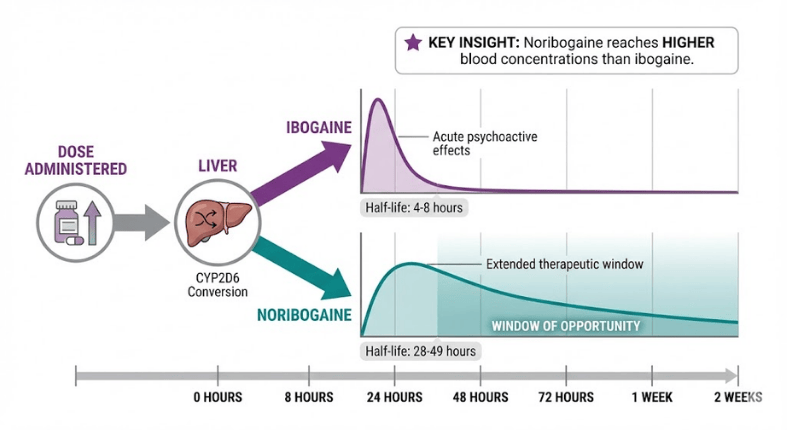
There are some key differences between them in timing: ibogaine has a half-life of roughly 4-8 hours. Noribogaine’s half-life ranges from 28-49 hours. This means noribogaine remains active in your system for days to weeks after treatment.
Why Noribogaine Extends the Therapeutic Window
Noribogaine’s pharmacological profile differs from ibogaine. It’s a potent serotonin reuptake inhibitor and biased kappa opioid agonist—both properties that support mood stability and reduced craving without the intense psychoactive effects of the parent compound.
This extended presence creates what clinicians call the “window of opportunity.” During this period, which can last weeks, patients report improved mood, reduced cravings, and enhanced motivation.
Integration work—therapy, new routines, support systems—becomes more effective when done during this window because the brain is primed for change.
The Three Phases of the Ibogaine Experience
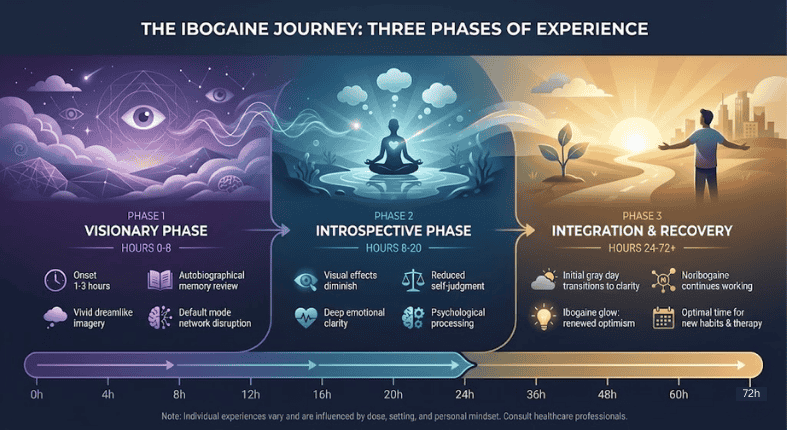
The ibogaine experience typically unfolds in distinct phases, each with characteristic features and different underlying brain activity.
Phase 1: The Visionary Phase (4-8 hours)
Effects begin 1-3 hours after ingestion, peaking around 2 hours. This phase is marked by vivid, dreamlike imagery often described as “oneirogenic”—somewhere between dreaming and waking. People frequently report reviewing autobiographical memories, sometimes with striking clarity.
Brain imaging research suggests altered connectivity in the default mode network during this phase. The default mode network governs self-referential thinking and mental “storytelling.” In addiction, this network often becomes hyperactive, contributing to rumination and complex thought patterns.
Phase 2: The Introspective Phase (8-20 hours)
Visual effects diminish, but deep introspection continues. People describe emotional clarity, reduced self-judgment, and the ability to examine life patterns without the usual defensive reactions. Physical fatigue is common, though mental alertness often remains.
This phase offers opportunities for psychological processing. Many participants report insights about the root causes of their substance use and shifts in perspective about their lives.
Phase 3: Integration and Recovery (24-72+ hours)
The first day after treatment often involves what some call the “gray day”—initial introspection transitioning to gradual clarity. Over the following days, many experience what’s termed the “ibogaine glow”: renewed optimism, improved mood, and motivation for change.
Noribogaine continues working during this entire period, supporting mood stabilization as the acute effects resolve. This is when establishing new habits, attending therapy sessions, and building support networks has maximum impact.
How Ibogaine Interrupts Withdrawal
For many people seeking ibogaine treatment, withdrawal interruption is the primary goal. The mechanism involves multiple pathways working together.
The Neurochemical Reset
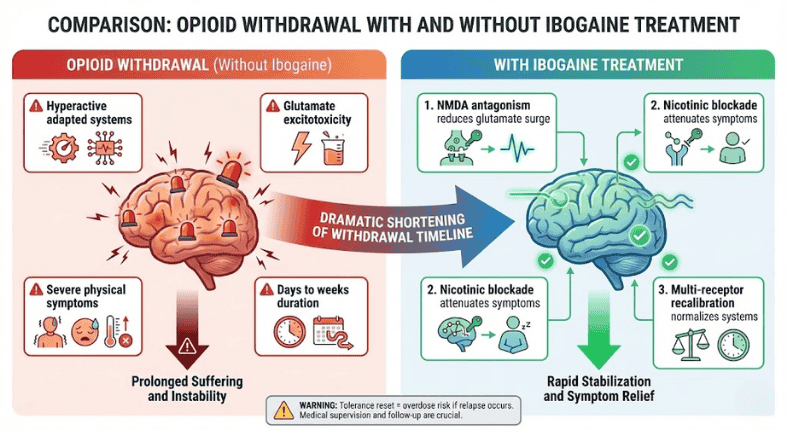
Opioid withdrawal occurs because the brain has adapted to constant opioid receptor stimulation. Remove the drugs, and those adapted systems become hyperactive. Ibogaine’s multi-receptor activity appears to normalize these dysregulated systems—not by replacing the opioid but by recalibrating the receptor landscape.
NMDA antagonism reduces glutamate excitotoxicity. Nicotinic receptor blockade attenuates withdrawal symptoms. The combined effect: what might otherwise be days or weeks of severe withdrawal can be dramatically shortened.
Tolerance Reversal
Research indicates ibogaine may reset opioid tolerance, meaning receptors return closer to their pre-addiction sensitivity. This carries a critical safety implication: if someone relapses after ibogaine treatment, their previous opioid dose may now cause overdose because their tolerance has decreased. This is one reason comprehensive aftercare matters so much.
Are you or your loved one struggling with addiction?
With over 12 years of clinical ibogaine treatment experience and thousands of successful treatment outcomes, the ibogaine treatment team at the Avante Ibogaine Institute in the Bahamas has witnessed firsthand the transformative potential of professionally administered ibogaine therapy.
If you want to explore whether ibogaine treatment might be right for you? Schedule a confidential consultation with the AVANTE medical team today. It doesn’t cost you a penny.
Cardiac and Safety Considerations before Choosing Ibogaine
Ibogaine carries real cardiac risks that require proper management and specialized team to handle.
QT Prolongation and Cardiac Effects
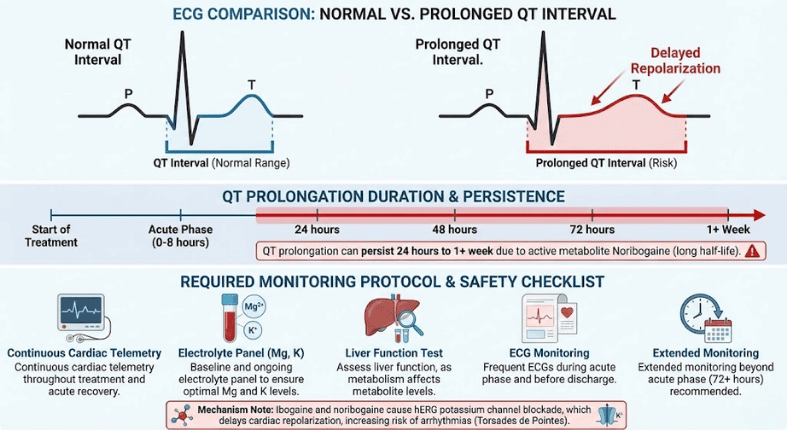
Both ibogaine and noribogaine block hERG potassium channels in the heart. This delays cardiac repolarization, prolonging the QT interval on an ECG. Extended QT intervals can lead to torsades de pointes, a potentially fatal arrhythmia.
QT prolongation can persist for 24 hours or longer—sometimes more than a week—because noribogaine remains in the body. This explains why monitoring must continue well beyond the acute experience.
Medical Screening Requirements
Responsible treatment centers require comprehensive pre-screening: baseline ECG to assess QT interval, electrolyte panels (magnesium and potassium depletion increase cardiac risk), liver function tests (since CYP2D6 metabolism matters), psychiatric evaluation, and thorough drug interaction screening.
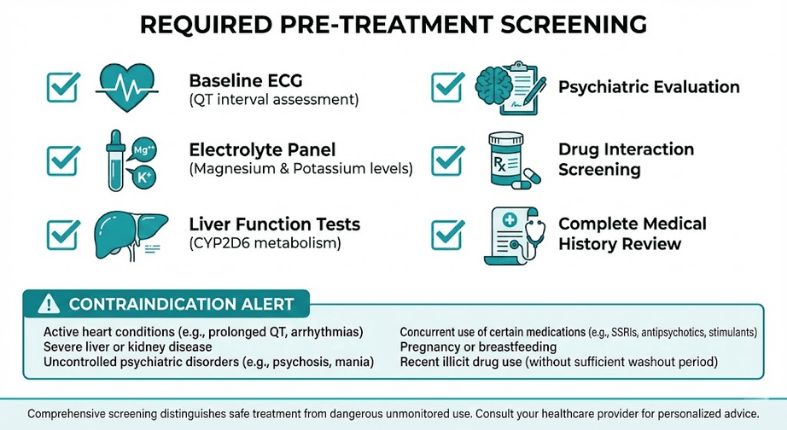
Many medications are contraindicated with ibogaine.
Why Clinical Settings Matter Most in Ibogaine
Deaths associated with ibogaine have occurred predominantly in unmonitored settings—home treatments, inadequate facilities, or situations lacking emergency response capability.
The Stanford MISTIC study demonstrated that proper protocols can dramatically reduce risk: continuous cardiac telemetry, magnesium co-administration, ACLS-trained staff, and appropriate emergency equipment allowed treatment of 30 veterans without serious cardiac events
In the AVANTE Ibogaine Institute located in the beautiful Caribbean island in the Bahamas, safety has been our top priority throughout 12 years of successful treatments. Our comprehensive protocols and experienced medical team ensure the highest standards of patient care.
Learn more about our safety record and medical supervision approach. Call us today.
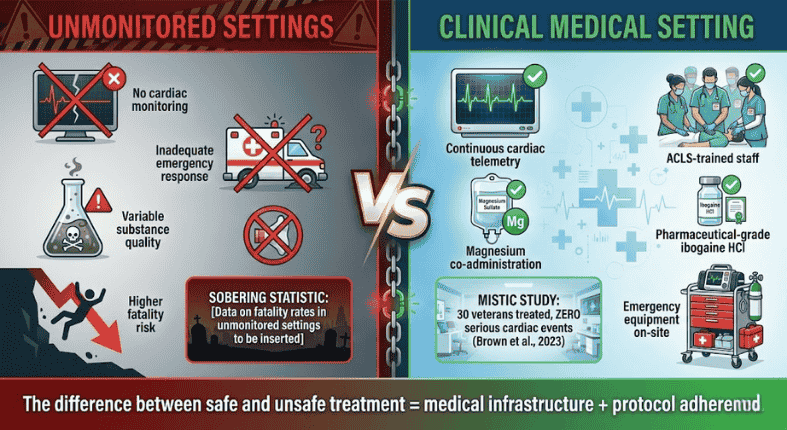
The difference between safe and unsafe ibogaine treatment largely comes down to medical infrastructure and protocol adherence.
What to Look for in an Ibogaine Treatment Center
Understanding neuroscience helps you evaluate treatment options more effectively.
Medical Infrastructure Requirements
Look for ICU-level monitoring capability, continuous cardiac telemetry during and after treatment, physician supervision throughout, comprehensive pre-treatment screening, and pharmaceutical-grade ibogaine HCl rather than crude extracts.
Geographic and Legal Considerations
Treatment typically requires travel to countries where ibogaine is legal. Consider the facility’s regulatory oversight, emergency response capabilities, and how they handle medical complications.
This is why we have chosen the Bahamas as our primary treatment location. The Bahamas has been home to The Avante Ibogaine Institute, a leading clinical provider of ibogaine treatment since 2013. The island of Nassau offers supportive medical infrastructure, safe tourism, and an ideal Caribbean environment conducive to therapeutic healing.
Integration and Aftercare Support
The neuroplasticity window created by treatment has limited duration. Choose a ibogaine treatment Center that provide pre-treatment preparation, post-treatment integration therapy, and connection to ongoing recovery resources give patients the best chance of translating acute effects into lasting change.
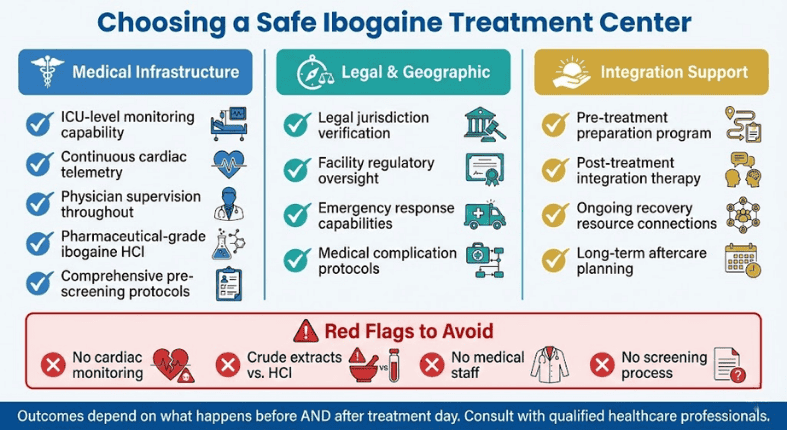
After successfully treating patients for over 12 years, we’ve seen that outcomes depend heavily on what happens before and after the ibogaine session itself—not just the treatment day.
Moving Forward
Ibogaine’s ability to simultaneously affect multiple brain systems—serotonin, dopamine, glutamate, opioid, and nicotinic pathways—while also promoting neuroplasticity through growth factor expression makes it genuinely different from other addiction treatments. Research continues to refine our understanding of these mechanisms.
What we know with confidence: ibogaine can interrupt withdrawal, reduce craving, and create a neurobiological window for change. What remains true: it carries real risks that require proper medical management, and its effects are best leveraged with comprehensive preparation and follow-up support.
If you’re considering ibogaine treatment for yourself or someone you care about, the first step is an honest conversation about medical history, expectations, and what a complete treatment protocol looks like. Our clinical team has guided hundreds of patients through this process, and that experience begins with understanding your specific situation.
Ready to learn if ibogaine treatment might be right for you?
Schedule a confidential consultation with our experienced medical team to discuss your conditions and get your questions answered by clinicians who’ve helped hundreds of patients navigate this decision for over a decade.